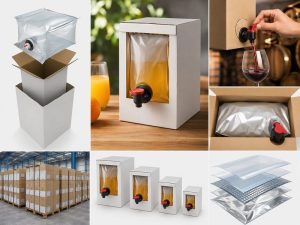
What Is Bag-in-Box Packaging and How Does It Work?
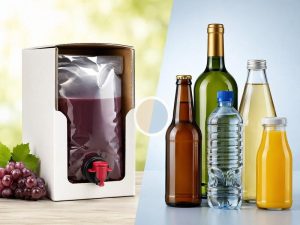
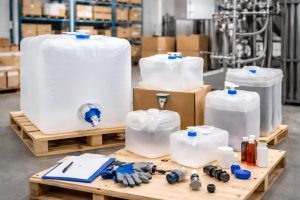
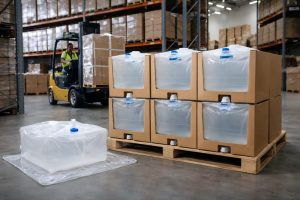
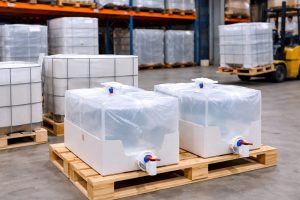
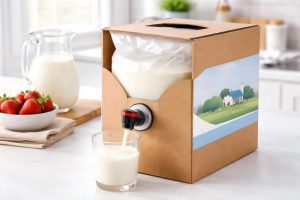
A flexible inner bag and a stiff outside box are used in bag-in-box (BIB) packaging. It is widely used for liquids and semi-liquids because it protects the product, improves dispensing, and lowers packaging and transport costs. Simple in structure, it offers strong hygiene, convenience, shelf-life performance, and cost-efficiency. Bag-in-Box Packaging: What Is It? There are two primary components to the bag-in-box packaging: An inner flexible bag An outer rigid box The inner bag is usually made from one or more layers of plastic film designed to hold the product safely and preserve its quality. This bag is fitted with a dispensing tap, valve, or connector. The outer box is typically made from corrugated cardboard, which protects the bag during storage, transportation, and use. Unlike bottles or cans, bag-in-box packaging is designed so that the bag collapses as the product is dispensed. This is one of its key advantages. Because the bag shrinks as liquid leaves it, less air enters the package. That helps reduce oxidation and contamination, which is especially important for products like wine, juice, and food ingredients. Bag-in-box is used in both consumer packaging and industrial packaging. Small formats may be sold in supermarkets for beverages, while larger formats are common in foodservice, hospitality, and chemical supply chains. Main Components of a Bag-in-Box Package To understand how bag-in-box works, it helps to look at each component separately. Component Function Common Materials Inner bag Holds the liquid or semi-liquid product Multi-layer plastic films Fitment/tap/valve Allows filling and dispensing Plastic Outer box Protects the bag and provides structure Corrugated cardboard or paperboard Barrier layers Help block oxygen, moisture, or light EVOH, metallized film, PE, PET Handle/opening area Makes carrying and pouring easier Die-cut cardboard design 1. Inner Bag The core of the packaging system is the inner bag. It is flexible and usually made from multiple layers of film. These layers may provide: Product compatibility Strength and puncture resistance Oxygen barrier protection Moisture resistance Sealability The exact film structure depends on the product inside. For example, wine packaging may prioritize oxygen barrier properties, while industrial chemicals may require stronger chemical resistance. 2. Dispensing Fitment The bag is usually fitted with a tap, spout, valve, or connector. This component serves two purposes: It allows the bag to be filled during production It allows the end user to dispense the product easily For household products, the dispensing system is often a simple tap. For industrial applications, it may be a specialized connector designed to work with machines or pumps. 3. Outer Box The box protects the flexible bag from external damage. It also makes stacking, shipping, storage, and display much easier. Without the box, the bag would be difficult to handle and more vulnerable to puncture. The outer box also offers branding space. Product information, printing, instructions, and visual design are usually placed on the box rather than the inner bag. How Does Bag-in-Box Packaging Work? The working principle of bag-in-box packaging is based on controlled dispensing from a sealed flexible container. Here is the