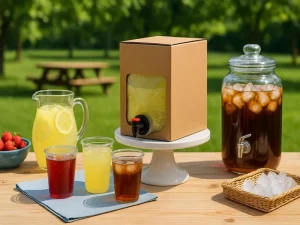
Top 10 Bag-in-Box Manufacturers: A Comprehensive Overview
Bag-in-Box packaging has evolved from a niche format into a mainstream solution across food, beverage, chemical, and industrial markets, offering cost, logistics, and sustainability advantages over rigid containers. This article profiles the top 10 global Bag-in-Box manufacturers, selected for their market impact, technical strength, and innovation. Changzhou Kaiguan Packaging & Technology Co., Ltd. (Kaiguan) Headquarters: China Kaiguan is a rapidly growing packaging manufacturer focused on liquid packaging solutions, including Bag-in-Box and vertical cheertainer systems. It emphasizes flexibility in multilayer plastic films, chemical resistance, and tailored packaging designs. Kaiguan’s products serve a variety of industries and highlight the strength of Asian producers in the global BiB market. Why It’s Included: Specialized liquid packaging solutions Competitive film technology for barrier and chemical resistance Flexible offerings including cheertainer and cubitainer alternatives Smurfit Kappa Group Headquarters: Ireland (Global Operations) Smurfit Kappa is widely regarded as one of the leading providers of complete Bag-in-Box systems, offering not just the bags themselves but films, taps, and integrated filling line technology. Its solutions are used globally across industries from wine and juices to industrial liquids and detergents. The company emphasizes sustainability, high-barrier films, and customizable packaging designs that fit many applications. Why It Stands Out: Full end-to-end BiB solutions, including films, bags, and accessories Strong sustainability initiatives and film innovation Global footprint and manufacturing scale Liqui-Box Corporation Headquarters: United States Liqui-Box is a major U.S.-based specialist in Bag-in-Box packaging systems. Its product line includes flexible bags, barrier films, complete dispensing systems, and filling machinery. Liqui-Box’s technology is known for high performance in gas and light barrier strength, making it suitable for sensitive products like wine, juice concentrates, dairy products, and chemicals. Key Strengths: Robust film and bag portfolio with strong barrier performance Integrated dispensing and fitments Solutions for food, beverage, and industrial liquids DS Smith plc Headquarters: United Kingdom A globally recognized packaging provider, DS Smith leverages its paperboard and sustainable materials expertise to supply Bag-in-Box packaging and other fiber-based solutions. Its BiB offerings focus on eco-friendly design and recyclability, catering to the beverage, edible oil, and consumer goods industries. Highlights: A leader in recyclable and lightweight packaging Strong presence in the European market, expanding globally Scholle IPN Headquarters: United States Scholle IPN is a major player in flexible liquid packaging and Bag-in-Box systems. Its innovative dispensing technologies and high-barrier film solutions serve a wide range of industries, from food and beverage to specialty chemicals. Scholle’s focus on durability and product safety makes it a top choice for demanding applications requiring aseptic or extended shelf life packaging. Why It’s Noteworthy: Focus on advanced dispensing technology Strong product safety and application breadth A respected name in global BiB markets CDF Corporation Headquarters: United States CDF Corporation brings deep expertise in flexible packaging, including high-performance Bag-in-Box solutions for food, beverage, personal care, and chemical products. With strong technical capabilities and customizable options, CDF helps brands protect product integrity and streamline logistics. Competitive Advantages: Flexible and adaptable BiB systems High-barrier materials for product protection Aran Group Headquarters: Italy The Aran Group focuses on aseptic liquid packaging and Bag-in-Box solutions