News and Events

Bag In Box Filling Machine For Sale

Bag-in-Box Filling Machines for Liquids: Wine, Juice, Oil, And More

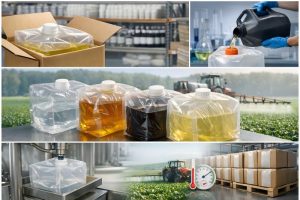
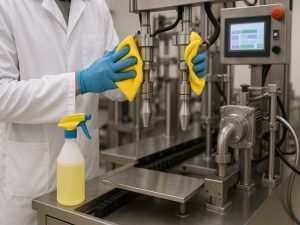
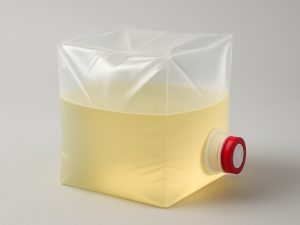
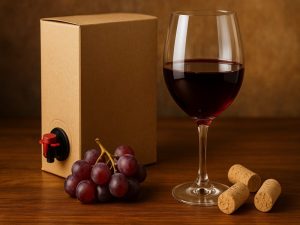
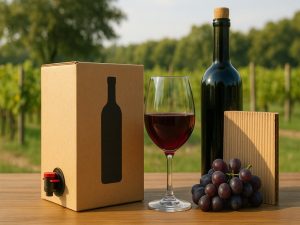
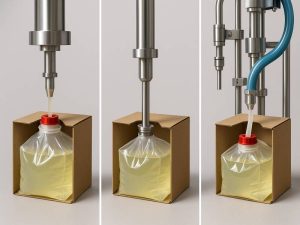
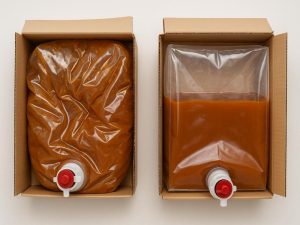
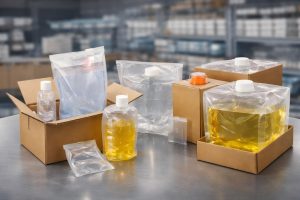
As demand grows for sustainable and efficient liquid packaging, Bag-in-Box (BIB) systems have become a leading solution across industries. From wine to detergents, BIB machines offer precise, low-waste packaging for food and non-food liquids. Bag-in-Box Packaging: What Is It? Bag-in-Box packaging consists of a flexible inner bag (made from multi-layer films for barrier protection) and a rigid or semi-rigid outer box (typically corrugated cardboard). The liquid is dispensed via an attached valve or tap. BIB systems are known for: Lightweight design Low oxygen permeability Excellent product protection Extended shelf life (even after opening) Industries favor this packaging not only for its functionality but also for its lower environmental footprint compared to glass or rigid plastic containers. How Do Bag-in-Box Filling Machines Work? BIB filling machines automate the process of filling and sealing flexible liquid pouches inside protective boxes. While designs vary by industry and speed, most machines perform the following steps: Bag Feeding: Pre-made bags are loaded manually or automatically. Cap Removal: The machine automatically removes the cap from the spout. Vacuuming (optional): Some machines remove air or pre-flush with inert gas (like nitrogen or CO₂) to preserve product integrity. Filling: The machine fills the bag with the desired volume, typically using a flow meter or load cell for precision. Cap Re-insertion or Crimping: The spout is securely re-sealed. Box Insertion (optional): Some systems place the filled bag into the box, seal the flaps, and label the final package. BIB fillers can be: Manual Semi-automatic Fully automatic Depending on output needs and integration with existing production lines. Benefits of Using BIB Filling Machines A. Maintaining the Quality of the Product Liquids like wine and juice deteriorate when exposed to oxygen and light, which the BIB system minimizes. Inert gas flushing, vacuum sealing, and airtight caps help preserve freshness and flavor even after opening. B. Improved Efficiency and Cleanliness Automated filling machines minimize product spillage, reduce human error, and ensure hygienic handling, especially important for food-grade products like milk or oil. C. Cost Savings in Packaging and Shipping Lower material cost compared to bottles or cans Lighter weight means lower shipping costs Cube-efficient design for optimal storage D. Sustainability BIBs use up to 70% less plastic than rigid containers and are more easily recyclable. They also reduce carbon footprint during transportation due to their space efficiency. E. Customizable for Various Liquids Whether thick or thin, acidic or neutral, sterile or non-sterile, BIB machines can be tailored to accommodate different viscosities and temperature requirements. Industries and Liquids Best Suited for BIB Filling Industry Liquid Products Why BIB Works Well Beverage Wine, Juice, Syrups, Cold Brew, Tea Preserves taste, minimizes oxidation Food Cooking Oil, Vinegar, Sauces, Dairy Hygienic, portion-controlled dispensing Chemical Detergents, Cleaners, Solvents Safer handling and reduced spillage Pharmaceutical Nutraceuticals, Liquid Vitamins, Antiseptics Precise dosing, clean packaging Agricultural Fertilizers, Pesticides, Animal Health Products Leak-proof, weather-resistant storage Types of Bag-in-Box Filling Machines A. Manual BIB Fillers Operated by hand Low cost and compact Ideal for startups or small batches B. Semi-Automatic Fillers Automated

Read More »
Cap and Spout Fitments

Understanding Bag-in-Box Fitment: A Comprehensive Guide

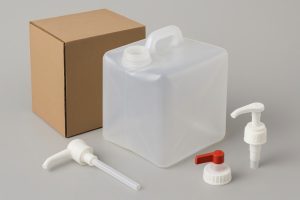
Bag-in-Box (BIB) packaging is a convenient solution for storing and dispensing liquids, commonly used in industries like food, chemicals, and pharmaceuticals. It protects contents, reduces waste, and extends shelf life, with the fitment playing a key role in dispensing. This article covers Bag-in-Box fitments, their types, materials, and impact on performance and usability. What is a Bag-in-Box Fitment? The fitment is the interface between the bag and the outside world, typically located at the bottom of the Bag-in-Box system. It is essential to ensuring that the substance is delivered effectively and without spilling or contamination. Fitments are commonly made from food-grade plastic, and they can vary in design based on the product’s needs, the type of dispenser, and the level of control required over the flow of the liquid. Importance of Fitment in Bag-in-Box Systems The fitment is much more than just a valve or spout. It enhances the Bag-in-Box system’s overall functionality and user experience. Here are several key factors where fitments play an essential role: Leak Prevention: A well-designed fitment prevents leaks, even if the bag is pressurized or stored in different orientations. Preservation: Fitments are designed to protect the contents from air exposure, which is crucial for maintaining freshness, particularly in perishable products like wine or juice. Compatibility with Dispensers: Fitments must be compatible with a wide range of dispensers, from manual taps to automated systems. Ease of Use: Fitments make it easy for users to control the flow of the product, ensuring they can dispense just the right amount with minimal effort. Types of Bag-in-Box Fitments Fitments come in various shapes, sizes, and functionalities to suit different products and applications. Let’s take a look at some of the most common types of fitments: Tap Fitments Tap fitments are among the most popular types of fitments in the Bag-in-Box world. They are typically used for beverages like wine, juice, and syrup. Tap fitments allow for precise control over the flow of the liquid and can be opened and closed with ease. These taps are designed to prevent spills and leaks, even when the bag is stored horizontally. Push Button Taps: These taps are easy to operate with a simple push of a button, making them ideal for home use or self-service stations. Lever Taps: Lever taps offer a higher level of control over the flow and are often used in commercial settings where precise dispensing is required. Cap and Spout Fitments Cap and spout fitments are typically used for products like cooking oils, detergents, and chemicals. They are often paired with a pump or squeeze mechanism for controlled dispensing. These fitments are designed to provide an airtight seal, ensuring the product remains uncontaminated even after multiple uses. Quick Connect/Disconnect Fitments Quick connect/disconnect fitments are commonly used in industries where the Bag-in-Box system is attached to automated dispensing systems, such as in restaurants or cafeterias. These fitments allow the bag to be quickly connected or disconnected from the system without any spillage, making it easy to replace used

Read More »
5.3 Gallon Semi Foldable Jerry Can

UN-Certified Jerry Cans: What Makes Them Suitable for Dangerous Goods?

Transporting hazardous materials like chemicals or fuels requires strict safety compliance, and UN-certified jerry cans are a trusted solution. Their durable design, specialized materials, and global certification offer essential protection during transit. This article explores what makes a jerry can UN-certified and why it’s ideal for handling dangerous goods. Understanding UN Certification UN-certified semi-collapsible jerry cans meet regulations established by the United Nations Committee of Experts on the Transport of Dangerous Goods. These standards are adopted globally and integrated into regional regulations, such as: The international road transportation of hazardous materials is covered by the European Dispute Resolution (ADR) process. International Maritime Dangerous Goods Code, or IMDGs Title 49 of the Code of Federal Regulations (CFR) of the United States The International Air Transport Association’s (IATA) laws governing dangerous goods UN-certified containers, including jerry cans, undergo rigorous testing and evaluation before they are approved for use in transporting hazardous goods across borders, modes of transport, and industries. What Makes a Jerry Can “UN-Certified”? A jerry can becomes UN-certified only when it passes a series of stringent design and performance tests that simulate real-world handling, accidents, and environmental stress. Key components of the certification process include: 1. Material and Structural Requirements UN-certified jerry cans are made from high-grade materials that resist chemical degradation and physical deformation. The most common ones are: High-density polyethylene, or HDPE, is well known for its remarkable chemical resistance and hardness. Steel: Used for flammable or highly reactive liquids. Composite materials: Sometimes layered with plastic or fiber reinforcements for extra strength. The structure must include stable sidewalls, reinforced corners, and leakproof closures to prevent rupture or spills during impact or pressure changes. 2. Performance Testing To obtain UN certification, jerry cans must pass multiple tests simulating harsh transport conditions: Drop Test: Filled cans are dropped from predetermined heights (often 1.2m or more) onto different surfaces to check for cracking or leakage. Leakproofness Test: Pressure is applied internally to ensure there are no leaks from seams, caps, or closures. Hydrostatic Pressure Test: Containers are pressurized with water for a specified time to assess structural integrity under pressure. Stacking Test: Weight is applied on top of the container for extended periods to simulate storage and transport stacking. Vibration Test: Simulates the shaking during road or sea travel to ensure the container doesn’t degrade or loosen. Internal Pressure Test: Verifies the can’s ability to withstand internal gas build-up without bursting. Only containers that pass all these tests are embossed or labeled with a UN marking code that identifies their specifications and capabilities. Decoding the UN Marking on Semi-Collapsible Jerry Cans Each UN-certified collapsible jerry can bears a permanent UN marking, usually printed or molded into the container. Here’s an example and what each part means: UN 3H1/Y1.9/150/23 USA/M4567 UN: Indicates compliance with UN standards. 3H1: Code for a plastic jerry can without a removable head. Y: Indicates packaging group (Y = II & III; X = I, II, III). 1.9: Maximum specific gravity of the liquid it can safely contain.

Read More »
Cheertainer Improves Warehouse Efficiency and Pallet Optimization

How Cheertainer Improves Warehouse Efficiency and Pallet Optimization

Modern supply chains increasingly rely on intelligent, space-efficient packaging to reduce costs, enhance agility, and meet sustainability targets. One standout innovation in liquid logistics is the Cheertainer bag-in-box system. Offering a combination of form-fitting design, flat-pack efficiency, and superior emptying performance, Cheertainer significantly enhances both warehouse space utilization and pallet optimization. We’ll explore how this packaging marvel transforms operations from the dock to the storage rack. What Is Cheertainer? The Cheertainer is a flexible form-fit bag-in-box (BIB) liner, typically housed inside a thin, protective cardboard box. Available in sizes spanning 4 L to 25 L, the inner bag conforms tightly to fit the box, minimizing dead space and optimizing volume. Offering modular film options—including standard barrier, EVOH, and metalized for freshness—it’s versatile across food, beverage, chemical, cosmetic, and industrial lines. Its compatibility with manual, semi-automatic, and fully automatic filling systems ensures adaptability across diverse production environments. Revolutionizing Freight & Warehouse Space Perhaps the most immediate gain is seen at the point of inbound logistics: Cheertainer liners and boxes ship flat, occupying far less space than rigid or semi-rigid containers. One compelling example saw the shift from rigid bags to flat-packed empty Cheertainer units increase truck capacity from ~3,000 to ~72,000 units—a staggering 24× increase. This drastically reduces freight volume, cuts transportation costs, and simplifies supply coordination. Once on-site, the advantage continues. Flat stacks of Cheertainer liners occupy a fraction of the footprint required by bulkier, pre-assembled containers—freeing up warehouse space for inventory, pallet racking, or repurposing for operational tasks. Inventory management and replenishment are streamlined because fewer pallets and less handling are needed to maintain supply levels. Elevated Pallet Optimization Warehouse efficiency hinges on maximizing each pallet’s fill rate while maintaining stability. Cheertainer’s compact cube-fit design allows for denser pallet stacking, reducing unused void spaces and improving pallet surface coverage. This aligns with best practices in pallet optimization—such as standardized box sizes, interlocking stacking, and smart load planning—to achieve safer, more stable, and cost-efficient pallets. Nearly Perfect Product Evacuation Unlike rigid or pillow-style containers that trap product, Cheertainer’s design enables near-total evacuation (>99%) of the product. The square, corner-sealed bag collapses consistently, preventing liquid retention—even toward the last pour. This reduces waste, improves raw material return on investment, and simplifies disposal (no cleaning needed), cutting labor and environmental impact. Environmental & Cost Advantages Cheertainer packs a serious sustainability punch. Compared to jerrycans and pails, it reduces plastic consumption by 86–92%, offers 10–20 times more packing efficiency, and cuts CO₂ emissions significantly during both production and transport. As a flat-packed, low-plastic solution, it aligns seamlessly with circular economy strategies: the outer box is often recyclable, liners use less material, and transport emissions drop dramatically. Boosting Operational Workflow On the production floor, Cheertainer’s flat-pack staging minimizes clutter. Rather than handling bulky, space-consuming empty containers, workers can keep a neat, compact stack ready for assembly—improving floor space, reducing trip hazards, and encouraging safer line-side environments. Complemented by customizable films and fitments, operations can switch between product types with minimal disruption, supporting lean changeovers and flexibility.

Read More »
Bag-in-Box Packaging for Juice and Dairy Product

Bag-in-Box Packaging for Juice and Dairy: Extending Shelf Life and Cutting Costs

For beverage makers and foodservice operators, two levers drive profitable growth: more days of saleable freshness and lower cost per liter delivered. Bag-in-Box (BiB)—a collapsible, oxygen-barrier bag with a hygienic tap housed in a protective carton—does both remarkably well for juices and dairy. Long a staple in post-mix soda and boxed wine, BiB is now mainstream for cafés, hotels, schools, institutional kitchens, and direct-to-consumer subscriptions where freshness, hygiene, and logistics matter. This guide explains how BiB extends shelf life, where the real cost savings come from, the processing options (hot-fill, aseptic, ESL, HPP), and how to implement BiB without compromising flavor or food safety. What Is Bag-in-Box and Why It Works A typical BiB system has three parts: Inner bag – Multilayer, food-grade film (often PE with an EVOH oxygen-barrier layer). The bag collapses as product dispenses, so air does not glug back in. Fitment/tap – A push-button or quarter-turn spigot (e.g., Vitop-style) or a sanitary quick-connect used with dispensers. Designed to be leak-resistant and tamper-evident. Outer carton – Rigid, recyclable paperboard that shields the bag from light and impact, stacks efficiently, and doubles as the serving station. The magic is the one-way flow: product exits, the bag shrinks, and oxygen exposure is minimized. Combined with a light-blocking carton, BiB slows both oxidation (key for juices and dairy fats) and light-induced off-flavors (notoriously in milk). Shelf-Life: Why BiB Helps Juice and Dairy Shelf life in juice and dairy is limited by microbial growth (managed by pasteurization/aseptic/HPP) and chemical degradation (oxidation, light). BiB improves the latter and supports the former. 1) Reduced Oxygen Pickup The inner bag’s oxygen transmission rate (OTR) is far lower than that of many commodity bottles. Because the bag collapses, no headspace refresh occurs with each pour—critical for vitamin-C-rich juices and cold-pressed blends. 2) Light Protection The carton blocks UV and visible light, reducing color fade and “light-struck” flavors (riboflavin-catalyzed oxidation in milk). This is a common weakness of transparent bottles. 3) Hygienic Dispensing Taps are engineered to prevent backflow and protect the product side from touch contamination—important in schools or self-serve breakfast bars. 4) Temperature Stability Rectangular cartons pack densely, so the product chills evenly and stays cold longer in service, supporting ≤5 °C (≤41 °F)hold targets. Reality check: Exact life depends on formulation, microbial load, fill technology, film spec, and temperature control. Always run validation studies for your product and market regulations. Indicative Shelf-Life Ranges (Unopened / Opened, Chilled) Product & Process Typical Retail Bottle/Jug In Bag-in-Box (comparable process) Pasteurized orange or apple juice 7–14 days / 3–5 days after open 21–30 days / 7–14 days after open NFC cold-pressed juice (HPP) 30–45 days / 5–7 days after open 45–60+ days / 10–14 days after open ESL microfiltered milk (chilled) 14–21 days / 5–7 days after open 21–30 days / 10–14 days after open UHT dairy (ambient until opened) 6–9 months / 5–7 days after open 6–9 months / 10–14 days after open   Cost Savings: Where BiB Cuts the Bill BiB isn’t just a

Read More »
Recycle Bag-in-Box Packaging

How To Recycle Bag-in-Box Packaging: A Step-by-Step Guide

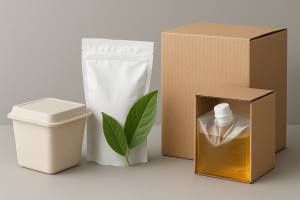
Bag-in-Box (BiB) packaging—an inner plastic bag with a tap, housed inside a cardboard carton—shines for freshness, storage efficiency, and waste reduction per serving. But when the party’s over, many people wonder: how do I recycle this correctly? Because BiB is a combination pack (paperboard + multilayer plastic + small rigid parts), the right end-of-life path depends on separating components and following local rules. This guide walks you through everything: what each part is made of, how to prep and sort it, regional differences, business-scale options, and even practical reuse ideas when recycling isn’t available. What’s in a Bag-in-Box? Outer carton: Corrugated or paperboard. Usually curbside-recyclable with cardboard. Inner bag: Typically polyethylene (PE) layers plus an oxygen-barrier layer (often EVOH or nylon) and sometimes a thin metallized layer. Because of these multilayers, many municipal programs do not accept the bag in curbside recycling. Tap/fitment/cap: Usually polypropylene (PP) or high-density polyethylene (HDPE) plus small elastomer parts. Because the piece is small and mixed-material, curbside acceptance varies widely. Key takeaway: The carton is almost always recyclable. The bag and tap require extra steps or special programs—or, where allowed, thoughtful reuse. Quick Decision Table Component Typical Material Can I put it in curbside recycling?* Alternatives Outer carton Paperboard/corrugated Yes (flatten, keep dry) Compost (if plain, no heavy coatings) Inner bag Multilayer PE + barrier Usually No Store drop-off only if labeled clean PE film; otherwise, mail-back/specialty programs or landfill Tap/fitment PP or LDPE + elastomer Often No (too small/mixed) Local hard-to-recycle center, mail-back, or reuse Step-by-Step: Household Recycling Step 1 — Empty the pack completely Dispense until the flow stops. Remove the tap (details below) and squeeze remaining liquid into your sink (use a strainer if there’s pulp). For sugary/acidic drinks, a quick rinse prevents odors and pests. Do not pour sticky liquids into storm drains. Step 2 — Separate the components Open the perforated panel on the carton and gently pull the bag/tap assembly out. Detach the tap from the bag: most taps twist out with a quarter-turn; others pull straight. Work over a towel to catch drips. Step 3 — Recycle the carton Flatten the box. Remove plastic films or non-paper sleeves (if present). Place with cardboard/paper; keep it dry to avoid contamination. Step 4 — Prepare the inner bag Check symbols/labels. If the bag explicitly says “PE film—store drop-off OK” (or has a How2Recycle “Store Drop-Off” mark), you can clean and return it with grocery bags to participating bins. If there’s no clear label, or it references nylon/EVOH/metallized layers (common for wine and juices), assume not store-drop-off eligible. If eligible: Slice one corner with scissors. Rinse with a small amount of warm water. Drain and air-dry fully (moist film isn’t accepted). Bundle with other clean films for store drop-off. If not eligible: consider mail-back programs (brand/manufacturer, TerraCycle-type services, or local hard-to-recycle events). If none exist, dispose in trash—never in curbside recycling (it tangles sorting equipment). Step 5 — Handle the tap/fitment If your city accepts small rigid plastics (PP #5 or

Read More »
Bag in Box Solution for Family Gatherings and Outdoor Events

The Ultimate Beverage Solution for Family Gatherings and Outdoor Events: Bag-in-Box

Backyard barbecue, beach day, birthday picnic, or a bring-your-own-chair block party—whatever you’re hosting, drinks can make or break the vibe. You want beverages that stay fresh, serve fast, don’t create mountains of glass and cans, and won’t monopolize your time as the host. Enter Bag-in-Box (BiB): a food-grade, oxygen-barrier bag with a tamper-resistant tap, protected by a recyclable outer carton. It’s the quiet hero of family gatherings and outdoor events—cost-effective, durable, easy to transport, and designed to keep drinks fresher, longer. Below is a complete, practical guide to using Bag-in-Box for your next get-together: what it is, why it wins, how much to buy, what to serve, and how to set it up like a pro. What Exactly Is Bag-in-Box? A Bag-in-Box packaging has three main parts: Inner bag: Multilayer, food-grade film (often PE with an EVOH or similar oxygen barrier) that collapses as the beverage dispenses. Because no air gets back in, oxidation is minimized, and flavor stays consistent. Tap/fitment: Typically a push-button or quarter-turn spigot (e.g., “Vitop”-style) engineered to be leak-resistant and easy to operate. Outer box: A sturdy, lightweight carton that protects the bag, stacks neatly, and doubles as its own serving station. The design is simple, but the effect is powerful: freshness after opening measured in weeks (for many still beverages), a spill-resistant tap that anyone can use, and dramatically lower packaging waste per serving than bottles or cans. Why Bag-in-Box Wins for Families & Outdoor Events 1) Freshness that lasts. Because the bag collapses as you pour, oxygen doesn’t re-enter the headspace. That means iced tea, lemonade, cold brew, fruit punch, still wine, and pre-mixed mocktails stay bright and stable—ideal when people are sipping over several hours or you’re stretching leftovers into tomorrow’s picnic. 2) Speedy, no-mess service. Set on a table or nestle into a cooler. Guests serve themselves—no caps to chase, no broken glass to worry about, and no “who has the bottle opener?” delays. 3) Easy transport & storage. Boxes are rectangular and space-efficient; they pack into cars and coolers without the awkward voids that bottles create. They’re also much lighter per serving, which your back will appreciate on that walk from the car to the park shelter. 4) Safer for kids & outdoor surfaces. No glass. Less trash. Fewer spills. And taps are intuitive for small hands (you can even assign a “pouring area” with a tray). 5) Real cost savings. Bulk formats reduce packaging costs and often beat bottle/can pricing on a per-serving basis. You’ll also buy less ice and waste less, because BiB chills evenly and stays stable after opening. 6) Greener hosting. Cartons are widely recyclable; the bag uses less plastic per liter than many bottle formats. Fewer deliveries and fewer recyclables in the bin. Note on carbonation: Standard Bag-in-Box is perfect for still beverages and for soda syrups used with a carbonator at the tap. Finished, fully carbonated drinks don’t hold their fizz in regular BiB unless you have specialized equipment—so keep sparkling drinks in bottles, cans,

Read More »
Scroll to Top

Leave Your Message

    Leave Your Message