
Packaging affects how liquids are protected, shipped, stored, and presented. For products like wine, juice, water, oil, dairy, and liquid ingredients, bag in box and traditional bottles are two common choices. Each has advantages, and the better option depends on the product, market, logistics, shelf life, and branding goals.
Bag-in-box is usually better for cost savings, space efficiency, and bulk dispensing, while bottles are better for premium display, consumer familiarity, and single-serve use. Businesses should compare filling, storage, transport, sustainability, and user experience before deciding.
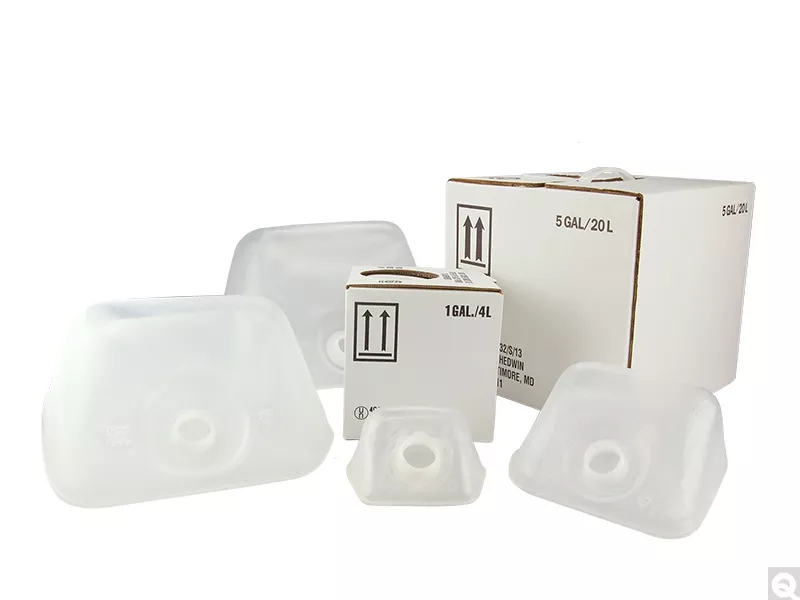
What is Bag-in-Box Packaging?
A flexible inner bag and a rigid outer carton are combined in the bag-in-box (BIB) packaging system. The bag is usually made from multi-layer film and includes a tap, valve, or fitment for dispensing. During handling, transportation, and storage, the inner bag is shielded by the outside box.
This type of packaging is frequently utilized for:
- Wine
- Juice
- Syrups
- Dairy products
- Liquid eggs
- Cooking oil
- Water
- Post-mix beverages
- Industrial and chemical liquids
The main idea behind bag in box is simple: the flexible bag collapses as the product is dispensed, which helps reduce air contact and preserve product quality after opening.
What Are Traditional Bottles?
Traditional bottles usually refer to glass bottles or plastic bottles, though metal bottles may also be used in some industries. They are one of the most recognizable packaging formats in the world and are widely used for beverages, sauces, condiments, personal care liquids, and household products.
Traditional bottles are popular because they offer:
- Strong product visibility
- Familiar consumer handling
- Easy stacking in retail displays
- Wide range of sizes and shapes
- Strong branding potential through labels and bottle design
For many brands, bottles are not just containers. They are also part of the product image and buying experience.
Quick Comparison: Bag-in-Box vs. Traditional Bottles
| Factor | Bag in Box | Traditional Bottles |
| Packaging structure | Flexible inner bag + outer carton | Rigid glass or plastic container |
| Best for | Bulk liquids, family-size use, foodservice, B2B supply | Retail beverages, premium products, single servings |
| Weight | Lightweight | Heavier, especially glass |
| Shipping efficiency | High | Lower |
| Air exposure after opening | Low | Higher in many cases |
| Shelf presentation | Moderate | Strong |
| Breakage risk | Low | Higher, especially glass |
| Storage efficiency | Excellent | Moderate |
| Consumer familiarity | Growing | Very high |
| Premium appearance | Limited to moderate | Strong, especially glass |
Packaging Efficiency and Logistics
Logistics efficiency is one of the main benefits of bag-in-box packaging. Because the inner bag is flexible and the outer carton is typically rectangular, bag-in-box packs use space more effectively during warehousing and transport.
Traditional bottles, especially glass bottles, are heavier and more fragile. They require more protective handling, can increase freight costs, and take up more space due to their rigid shapes.
For manufacturers and distributors moving large volumes of liquid products, this difference matters a lot.
Why bag in box performs better in logistics
- Lower shipping weight
- Better pallet utilization
- Reduced breakage during transport
- Easier storage before and after filling
- More efficient bulk dispensing at the end-user level
Bottles still work well in retail chains, but for wholesale, institutional, and foodservice markets, bag in box often offers a stronger economic advantage.
Product Protection and Shelf Life
Packaging is not only about transport. It also directly affects product quality.
Bag in box packaging has a major benefit: as the liquid is dispensed, the bag collapses inward. This limits oxygen entering the package. For oxygen-sensitive products such as wine, juice, and certain dairy items, this can help preserve freshness after opening.
Traditional bottles do provide excellent protection before opening, especially glass bottles, which are highly impermeable. However, once opened, air enters the bottle and can accelerate oxidation or spoilage, depending on the product.
Shelf-life comparison
| Aspect | Bag in Box | Traditional Bottles |
| Oxygen control after opening | Very good | Moderate to low |
| Light protection | Good if outer box blocks light | Varies by bottle material |
| Reseal performance | Good with tap/valve system | Good with cap, but air enters bottle |
| Breakage-related product loss | Low | Higher |
| Long-term premium storage | Moderate | Excellent for glass in some products |
For some applications, such as premium wine aging, glass bottles still have a clear advantage. But for products meant to be consumed within a shorter cycle after opening, bag in box can perform very well.
Cost Considerations
Cost is often the deciding factor when choosing packaging. Bag in box systems can reduce overall cost in several ways:
- Lower material weight
- Lower transport cost
- Lower warehousing cost
- Reduced product waste during dispensing
- Lower breakage losses
Traditional bottles, on the other hand, may have higher unit costs depending on material, shape, closure, and labeling. Glass bottles are especially costly in transport because of their weight and fragility.
That said, cost is not only about the package itself. Filling equipment, production speed, labeling requirements, and target sales channel also affect the final economics.
General cost comparison
| Cost Area | Bag in Box | Traditional Bottles |
| Primary packaging material | Often lower for larger volumes | Higher, especially glass |
| Transportation | Lower | Higher |
| Warehousing | Lower | Higher |
| Filling line complexity | Moderate | Mature and widely available |
| Retail display value | Moderate | High |
| Product damage losses | Lower | Higher for glass |
For large-volume applications, bag in box often delivers better total cost efficiency. For premium retail products, the higher cost of bottles may be justified by stronger perceived value.
The Impact of Sustainability on the Environment
Sustainability is having a growing impact on packaging decisions. In many cases, bag in box packaging can reduce environmental impact because it uses less material by weight and improves transport efficiency.
Since bag in box is lighter than glass bottles, it generally requires less fuel for shipping. Its compact shape also allows more product to be transported per pallet, improving distribution efficiency.
However, sustainability is not always straightforward. Flexible bags can be harder to recycle in some markets due to multi-layer film structures. Bottles, especially glass, are widely recognized and often accepted in established recycling systems.
Sustainability comparison
| Sustainability Factor | Bag in Box | Traditional Bottles |
| Material weight | Low | Higher |
| Freight emissions | Lower | Higher |
| Recyclability of outer pack | Good for carton | Good for glass/PET depending on system |
| Recyclability of inner packaging | More challenging | Often easier for single-material bottles |
| Product-to-package ratio | Strong | Moderate |
| Food waste reduction after opening | Better in many uses | Moderate |
So which is greener? In many distribution-heavy applications, bag in box may offer a better overall footprint. But local recycling infrastructure can heavily influence the real-world result.
User Experience and Practicality
Technical performance is important, but so is the customer experience.
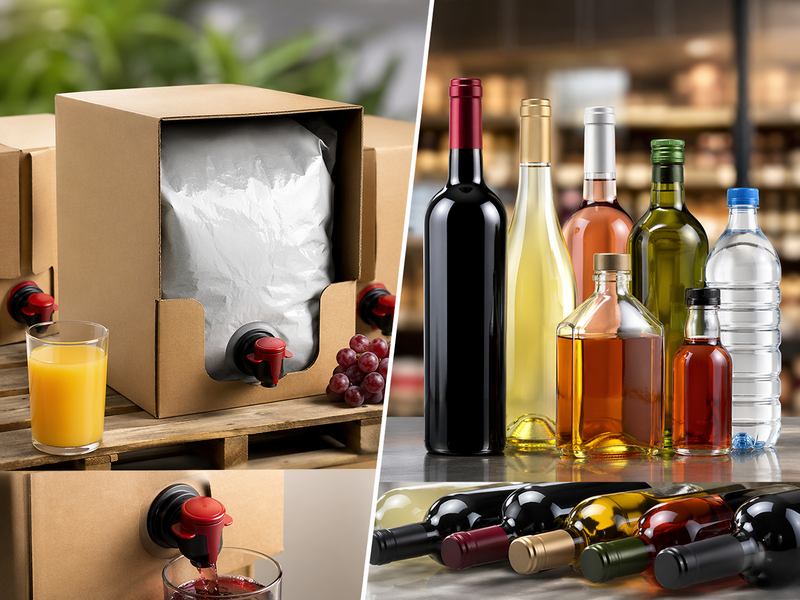
Bag in box packaging is convenient for larger households, offices, hotels, restaurants, and institutional use. It is easy to dispense, reduces spills, and works well when users need controlled pouring over multiple days or weeks.
Traditional bottles remain more convenient for:
- On-the-go consumption
- Single-serve products
- Premium retail gifting
- Easy hand-carry use
- Visual product inspection
Many consumers still associate bottles with quality and authenticity, especially for beverages like wine, spirits, sauces, and specialty drinks.
Bag in box is often better when:
- The product is consumed over time
- Dispensing control is important
- Space-saving storage matters
- Bulk or family-size use is common
Bottles are often better when:
- Shelf appeal is critical
- Brand image depends on packaging aesthetics
- Consumers want portability
- Product visibility helps sales
- The package is part of the premium experience
Branding and Market Perception
This is where traditional bottles usually have an advantage.
A bottle can be shaped, colored, embossed, labeled, and capped in ways that strongly support brand identity. Glass bottles, in particular, convey quality, heritage, and premium value. For products sold in competitive retail environments, this can make a major difference.
Bag in box has improved significantly in design and printing quality, but it is still often seen as more practical than luxurious. It works well for value-driven, eco-conscious, foodservice, and bulk-use markets, but may not create the same emotional impact as a well-designed bottle.
For this reason, some companies use both formats: bottles for retail shelves and bag in box for larger-volume buyers.
Application Suitability by Industry
Different industries have different packaging priorities. There is no single best answer for all liquid products.
| Industry / Product Type | Better Choice | Why |
| Table wine for home use | Bag in Box | Better freshness after opening, cost-efficient |
| Premium wine | Traditional Bottles | Stronger premium image and aging suitability |
| Juice for family consumption | Bag in Box | Easy dispensing, lower cost, efficient storage |
| Bottled water retail | Traditional Bottles | Portability and consumer familiarity |
| Syrups for foodservice | Bag in Box | Bulk dispensing efficiency |
| Edible oil | Bag in Box for bulk / Bottles for retail | Depends on sales channel |
| Dairy ingredients | Bag in Box | Hygienic dispensing and volume efficiency |
| Luxury beverages | Traditional Bottles | Premium appearance |
| Industrial liquids | Bag in Box | Safer, lighter, more efficient handling |
This shows that packaging decisions should align closely with the product’s sales channel and usage pattern.
Challenges of Bag-in-Box Packaging
Although bag-in-box offers many advantages, it is not perfect.
Common limitations include:
- Less premium visual appeal
- Limited product visibility
- Inner bag recycling can be difficult
- May require consumer education in some markets
- Less suitable for single-serve convenience
- May not fit some premium retail strategies
For some brands, these limitations are minor. For others, especially luxury or highly visual products, they can be a major issue.
Challenges of Traditional Bottles
Traditional bottles also come with drawbacks:
- Higher transport cost
- Greater breakage risk
- More storage space is required
- Higher packaging weight
- Faster oxidation after opening in some products
- Less efficient for bulk dispensing
These disadvantages become more noticeable when businesses are scaling up volume or serving commercial users instead of individual consumers.
Which Packaging Is Better, Then?
The definition of “better” for your company will determine the response.
Bag in box is better when your priority is:
- Lower logistics cost
- Better storage efficiency
- Reduced breakage
- Bulk dispensing convenience
- Better freshness after opening
- Higher transport efficiency
Traditional bottles are better when your priority is:
- Premium shelf appearance
- Consumer familiarity
- Strong brand presentation
- Portability
- Product visibility
- Single-serve retail sales
For many mass-market and foodservice liquid products, bag-in-box is often the smarter and more economical option. For premium retail products and image-driven markets, traditional bottles still hold a strong advantage.
Bag-in-box and traditional bottles both have clear advantages. Bag-in-box is more efficient and cost-effective for bulk liquids, foodservice, and products used over time. Traditional bottles are better for shelf appeal, premium branding, and daily portability.
The better choice depends on your product, customers, and sales channel. In many cases, using both formats for different markets is the smartest strategy.