
Traditional rigid packaging, like drums and bottles, has long dominated liquid supply chains. However, companies are increasingly adopting flexible solutions like Cubitainers to reduce inefficiencies and waste. This article explores how Cubitainers enhance sustainability, focusing on their design, benefits, challenges, and applications.
Global Packaging Waste: A Growing Concern
Before diving into the advantages of Cubitainers, it is important to understand the scale of packaging waste. A large amount of solid trash in the world is made up of traditional rigid packaging.
| Packaging Type | Estimated Global Annual Waste | Key Materials |
| Plastic Bottles | ~17 million tons | PET, HDPE, PVC |
| Cardboard & Paper | ~120 million tons | Paper, Kraftboard |
| Metal Cans & Drums | ~9 million tons | Steel, Aluminum |
| Rigid Plastic Drums | ~2.5 million tons | HDPE, PVC |
Design Features That Reduce Packaging Waste
Collapsible Structure
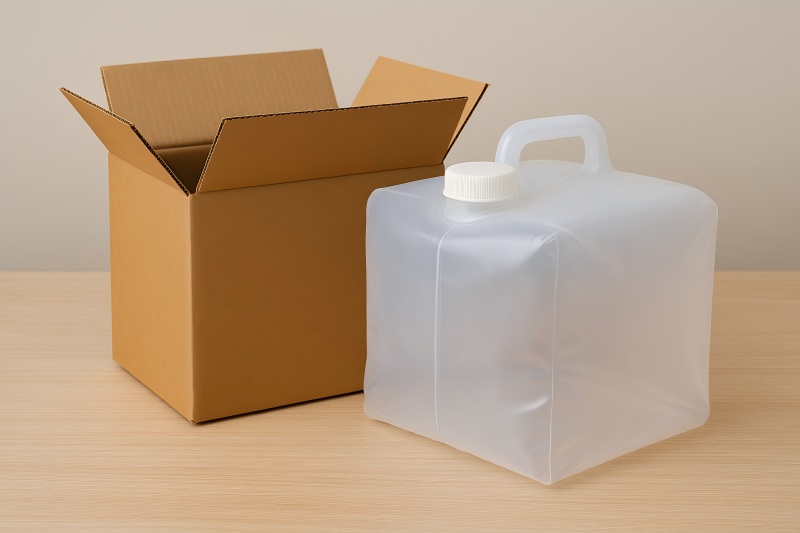
One of the most significant sustainability advantages of Cubitainers is their collapsibility. Once the liquid contents are dispensed, the container collapses almost completely. This reduces:
- Residual product waste
- Occupied volume during recycling or disposal
- Space needed for storage and transport back to recycling facilities
This feature directly translates to reductions in waste volume compared to rigid containers that remain bulky even when empty.
Minimal Material Use
Cubitainers require significantly less raw material to produce when compared to drums or jerry cans of equal capacity. Less material means:
- Lower energy inputs in manufacturing
- Reduced emissions during raw material processing
- Less waste at the end of life
| Container Type | Material Used per Liter Capacity | Relative Material Footprint |
| Cubitainer (20 L) | 0.8–1.2 kg | Low |
| HDPE Drum (20 L) | 2.5–3.2 kg | High |
| Metal Can (20 L) | 4.0–4.5 kg | Very High |
Cubitainers can assist businesses in meeting environmental goals while preserving packaging integrity by using less materials.
Diminished Footprint for Transportation and Storage
Cubitainers offer compelling advantages:
- Lighter weight: Saves fuel and reduces emissions during transport.
- Flat packing: When empty, Cubitainers can be stored flat, maximizing cargo efficiency.
This advantage also limits space requirements in warehouses, reducing the energy needed for storage and handling.
Environmental Benefits in the Supply Chain
Reduction in Carbon Emissions
To understand how Cubitainers impact emissions, consider both upstream and downstream aspects:
| Emission Source | Traditional Packaging | Cubitainers | Impact |
| Raw material extraction & processing | High | Lower | Reduced embodied emissions |
| Manufacturing energy | Higher | Lower | Less energy required |
| Transportation (full & empty) | High | Lower | Fewer trips, lighter loads |
| End-of-life waste | High volume | Lower volume | Less landfill & recycling burden |
Because they are lighter and collapse after use, Cubitainers reduce emissions throughout the lifecycle, from manufacturing to disposal.
Lower Waste in End-of-Life Processing
End-of-life is a critical sustainability stage. Cubitainers create a smaller waste profile because:
- Collapsed containers take up less landfill volume
- Flexible films can be more easily recycled in facilities that accept them
- Smaller transport volume results in fewer recycling logistics emissions
While recycling policies vary by region, the inherent efficiency of Cubitainers improves overall waste management.
Economic Advantages of Cubitainers
Cost Savings Through Logistics Efficiency
Transportation is one of the largest cost centers in global supply chains. Cubitainers offer:
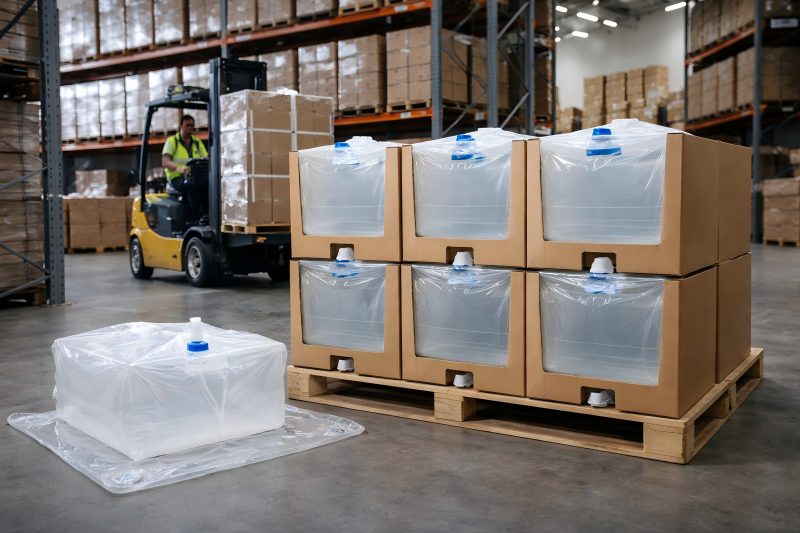
- Higher pallet fill rates
- Less weight per unit shipped
- Reduced return-trip space for empties
These efficiencies translate directly into lower shipping and handling costs.
Lower Packaging Costs
While pricing varies by volume and supplier, Cubitainers often cost less than rigid containers due to reduced material requirements and manufacturing efficiency.
| Cost Category | Rigid Container | Cubitainer | Impact |
| Packaging Material | Higher | Lower | Cost savings |
| Production/Fill Line | Medium | Medium | Comparable |
| Logistics (Inbound & Outbound) | High | Lower | Significant savings |
| Warehousing | Higher | Lower | Reduced storage costs |
Product Yield and Loss Reduction
Rigid containers often trap some liquid, leaving residual product that cannot be efficiently recovered. Cubitainers, by collapsing, minimize product waste, improve yield, and reduce overall cost.
Sector Applications and Case Scenarios
Cubitainers are versatile and have seen adoption in multiple industries:
Food & Beverage Industry
Food and beverage companies use Cubitainers for:
- Cooking oils
- Syrups
- Concentrates
- Liquid ingredients
Many food producers report lower waste and improved supply chain efficiency after switching to flexible packaging solutions.
Chemical and Industrial Fluids
Industries that handle large volumes of liquid resins, solvents, lubricants, and chemical additives appreciate Cubitainers for their barrier performance and safety features.
Agriculture and Animal Health
Agricultural chemicals, fertilizers, and animal health products benefit from Cubitainer packaging due to safe dispensing and reduced weighting for transport.
Sustainability Performance Metrics
When evaluating packaging alternatives, companies often consider:
- Total material footprint
- Carbon footprint per shipped unit
- Waste generation rates
- Recyclability
Below is a summary of typical performance comparisons:
| Sustainability Metric | Rigid Packaging | Cubitainers | Advantage |
| Material Footprint | High | Lower | Cubitainers |
| Carbon Emissions | Higher | Lower | Cubitainers |
| Residual Product Waste | Moderate to High | Very Low | Cubitainers |
| Storage & Shipping Footprint | High | Low | Cubitainers |
| End-of-Life Waste Volume | High | Lower | Cubitainers |
Challenges and Considerations
While Cubitainers offer compelling benefits, several challenges remain:
Recycling Infrastructure
Flexible films and multi layer plastics can be harder to recycle than mono material rigid containers. Not all regions accept flexible packaging in recycling streams.
Perception and Adoption Barriers
Some industries and consumers remain unfamiliar with Cubitainers, requiring education and transition efforts.
Barrier Requirements
Products with extreme barrier needs (e.g., pharmaceutical liquids) may still require rigid packaging with specialized barrier layers.
Case Studies: Real-World Impact
Example 1: Food Processor Reduces Waste by 30%
A major food manufacturer switched from 20-liter drums to Cubitainers for transporting liquid flavoring. Results after the first year included:
- 30% reduction in packaging waste
- 18% reduction in overall logistics costs
- 15% increase in storage efficiency
Example 2: Industrial Lubricant Supplier Improves Carbon Profile
An industrial lubricant supplier redesigned packaging, achieving:
- 20% fewer truck shipments
- 25% reduction in CO₂ emissions associated with transport
- Improved customer satisfaction due to easy dispensing
Future Outlook
As sustainability expectations intensify, the role of flexible packaging—like Cubitainers—is likely to grow. Ongoing advances include:
- Recyclable mono-polymer films
- Bio-based polymers
- Smart packaging with QR tracking for traceability
Manufacturers, retailers, and brand owners are reevaluating packaging strategies to reduce waste and carbon footprints. Cubitainers fit squarely into this paradigm shift by balancing performance and sustainability.
Best Practices for Implementing Cubitainers
To achieve maximum benefit, companies should:
| Best Practice | Expected Benefit |
| Optimize supply chain layout | Reduce transport distances & costs |
| Partner with recycling providers | Increase film recycling rates |
| Educate customers/end-users | Improve adoption and correct disposal practices |
| Use high-barrier films where needed | Maintain product integrity |
Cubitainers offer a flexible, sustainable alternative to rigid packaging, reducing material use, emissions, and waste while improving supply chain performance. Widely adopted across sectors like food, chemicals, and agriculture, they balance environmental responsibility with efficiency, making them a key solution for the future of global supply chains.