
Storing liquids safely and efficiently is a critical concern across industries such as agriculture, chemicals, food processing, pharmaceuticals, and industrial manufacturing. While bulk tanks and IBCs dominate high-volume logistics, Cheertainers—also commonly known as cubitainers or bag-in-box containers—have become a preferred mid-volume packaging solution.
However, one question continues to be asked most often:
How long can liquids actually be stored in Cheertainers?
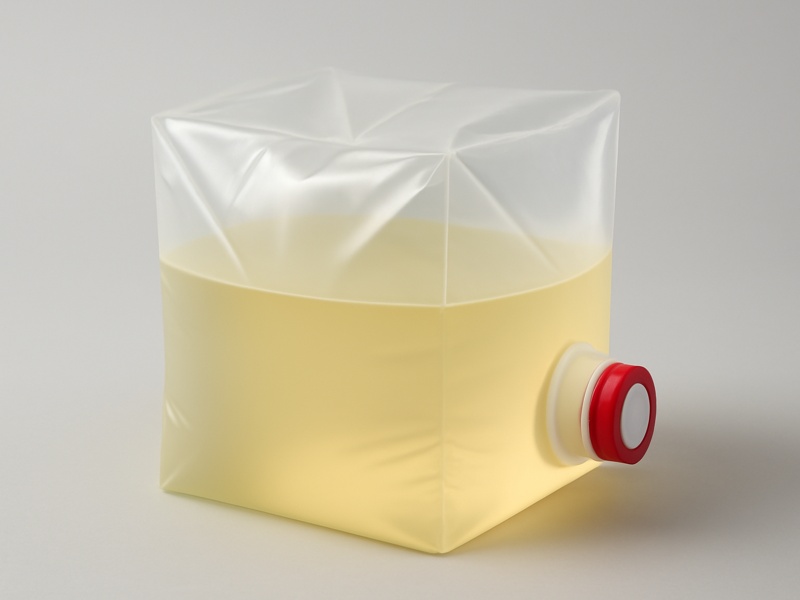
What Are Cheertainers?
Cheertainers are flexible liquid containers, typically made from LDPE, LLDPE, or multi-layer laminated films, designed to hold liquids ranging from 1 liter to 25 liters or more. They are often used with an outer carton or crate for added protection and stacking.
Key characteristics include:
- Collapsible design
- Lightweight construction
- Compatibility with taps, spouts, or aseptic valves
- Reduced oxygen exposure compared to rigid containers
Because Cheertainers minimize headspace and limit air contact as liquid is dispensed, they can significantly extend shelf life compared to open or rigid containers.
Key Factors That Affect Liquid Storage Time
The storage duration of liquids in Cheertainers is not fixed. It varies depending on several technical and environmental factors.
Liquid Type and Chemical Stability
Some liquids degrade quickly due to oxidation, hydrolysis, or microbial growth, while others remain stable for years.
Cheertainer Material Structure
Single-layer PE, multi-layer barrier films, and aseptic laminates offer different protection levels against oxygen, light, and moisture.
Storage Conditions
Temperature, humidity, UV exposure, and storage cleanliness directly impact shelf life.
Filling Method
Aseptic filling, hot filling, or standard filling each influences contamination risk.
Typical Storage Time by Liquid Category
The table below provides general industry guidelines for how long various liquids can be stored in Cheertainers under proper conditions.
Estimated Storage Life by Liquid Type
| Liquid Category | Typical Storage Time | Notes |
| Water (Purified / Deionized) | 12–24 months | Dependent on microbial control |
| Liquid Fertilizers | 6–24 months | Check nitrogen stability |
| Agrochemicals (Herbicides, Pesticides) | 12–36 months | Follow manufacturer specs |
| Food Ingredients (Syrups, Oils) | 6–18 months | Oxygen sensitivity varies |
| Beverage Concentrates | 6–12 months | Often aseptic-filled |
| Industrial Lubricants | 24–60 months | Highly stable when sealed |
| Cleaning Chemicals | 12–36 months | pH stability matters |
| Pharmaceutical Liquids | 3–12 months | Strict compliance required |
Note: These ranges assume sealed containers, clean storage, and compliance with recommended temperatures.

Impact of Cheertainer Material on Shelf Life
The construction of the Cheertainer itself plays a decisive role in storage duration.
Material Type vs Storage Performance
| Cheertainer Material | Oxygen Barrier | Light Protection | Typical Applications |
| Single-Layer LDPE | Low | Low | Water, detergents |
| Multi-Layer PE | Medium | Medium | Fertilizers, oils |
| EVOH Barrier Film | High | Medium | Food ingredients |
| Aluminum-Laminated | Very High | Very High | Aseptic beverages |
| Aseptic Film Structures | Maximum | Maximum | Long-life liquids |
Barrier films significantly reduce oxidation and microbial growth, making them ideal for longer storage periods.
How Storage Conditions Impact Product Shelf Life
Even the best Cheertainer cannot compensate for poor storage conditions.
Recommended Storage Parameters
| Factor | Recommended Range | Risk if Exceeded |
| Temperature | 5–25°C (41–77°F) | Degradation, expansion |
| Humidity | <70% RH | Carton weakening |
| UV Exposure | Avoid direct sunlight | Material aging |
| Storage Position | Upright, supported | Seal stress |
| Cleanliness | Dry, pest-free | Contamination risk |
Liquids stored at elevated temperatures may experience accelerated chemical reactions, cutting shelf life by up to 50%.
Aseptic vs Non-Aseptic Storage
One major determinant of how long liquids last in Cheertainers is whether aseptic technology is used.
Aseptic vs Non-Aseptic Storage Comparison
| Feature | Aseptic Cheertainer | Standard Cheertainer |
| Filling Environment | Sterile | Ambient |
| Shelf Life | 12–24+ months | 3–12 months |
| Refrigeration Needed | No | Often required |
| Cost | Higher | Lower |
| Typical Liquids | Juice concentrates, syrups | Chemicals, water |
Aseptic Cheertainers dramatically extend storage time by eliminating microbial contamination during filling.
Industry-Specific Storage Expectations
Agriculture
Liquid fertilizers and pesticides are commonly stored for one full growing season, typically 6–18 months. Cheertainers are ideal for decentralized farm distribution.
Food & Beverage
Shelf life depends on fat content, sugar levels, and oxygen sensitivity. Aseptic Cheertainers are widely used for syrups, concentrates, and flavor bases.
Chemical Industry
Most industrial chemicals remain stable for 2–5 years when sealed correctly. Cheertainers offer excellent chemical resistance and low evaporation loss.
Pharmaceuticals & Personal Care
Liquids often require shorter storage cycles because of regulatory restrictions, even when they remain chemically stable.
Regulatory Framework and Compliance Obligations
Storage duration is both a technical consideration and a matter of regulatory compliance.
- Food-grade Cheertainers must comply with FDA or EU food-contact regulations
- Hazardous chemicals require UN-rated outer packaging
- Agrochemicals must follow label-approved storage durations
- Pharmaceutical liquids require validated stability studies
Always follow manufacturer shelf-life data rather than relying solely on container capability.
Signs That a Liquid Should No Longer Be Stored
Even within recommended storage periods, liquids should be inspected periodically.
Warning signs include:
- Discoloration
- Phase separation
- Odor changes
- Swelling of the Cheertainer
- Leakage or seal deformation
If any of these occur, the product should be tested or discarded.
Best Practices to Maximize Storage Time
To achieve the longest possible storage life in Cheertainers:
- Choose barrier films appropriate for your liquid
- Use aseptic filling when required
- Store in temperature-controlled environments
- Avoid repeated handling or stacking stress
- Label containers clearly with fill date and batch number
These practices not only extend shelf life but also reduce waste and compliance risks.
Cheertainers vs Other Liquid Storage Options
While not designed for multi-year storage like steel tanks, Cheertainers offer an excellent balance between storage time, cost, flexibility, and logistics efficiency.
Compared to drums and rigid containers, they:
- Reduce oxygen exposure during dispensing
- Minimize residual waste
- Lower transportation costs
- Improve handling safety
So, how long can liquids be stored in Cheertainers?
The realistic answer ranges from a few months to several years, depending on the liquid, container structure, filling method, and storage conditions. When properly selected and managed, Cheertainers provide reliable, safe, and efficient liquid storage for a wide range of industrial applications.
For businesses seeking flexible mid-volume packaging with predictable shelf life and strong logistics performance, Cheertainers remain one of the most practical solutions available today.