
Modern agriculture depends on liquid chemicals that can pose health and environmental risks if mishandled. This article explains how Bag-in-Box packaging reduces exposure and improves safety, efficiency, and sustainability in farm chemical handling.
Understanding the Problem: Chemical Exposure on Farms
Farm workers and operators face multiple pathways of exposure to agricultural chemicals:
- Dermal exposure from spills during mixing, pouring, or application
- Inhalation of sprays, mists, or fumes
- Accidental ingestion
- Environmental contamination is impacting surrounding communities
Traditional packaging—such as drums, jugs, and open containers—can contribute to these risks through frequent handling, spillage, back-splashing, and improper sealing.
Common Agricultural Chemicals and Exposure Risks
| Chemical Type | Use on Farm | Typical Exposure Risk |
| Pesticides | Pest control on crops | Skin irritation, respiratory harm |
| Herbicides | Weed management | Inhalation, environmental drift |
| Liquid Fertilizers | Nutrient delivery | Corrosive contact, fumes |
| Disinfectants | Animal housing sanitation | Eye/mucous irritation |
| Adjuvants and Additives | Improve spray performance | Dermal and inhalation exposure |
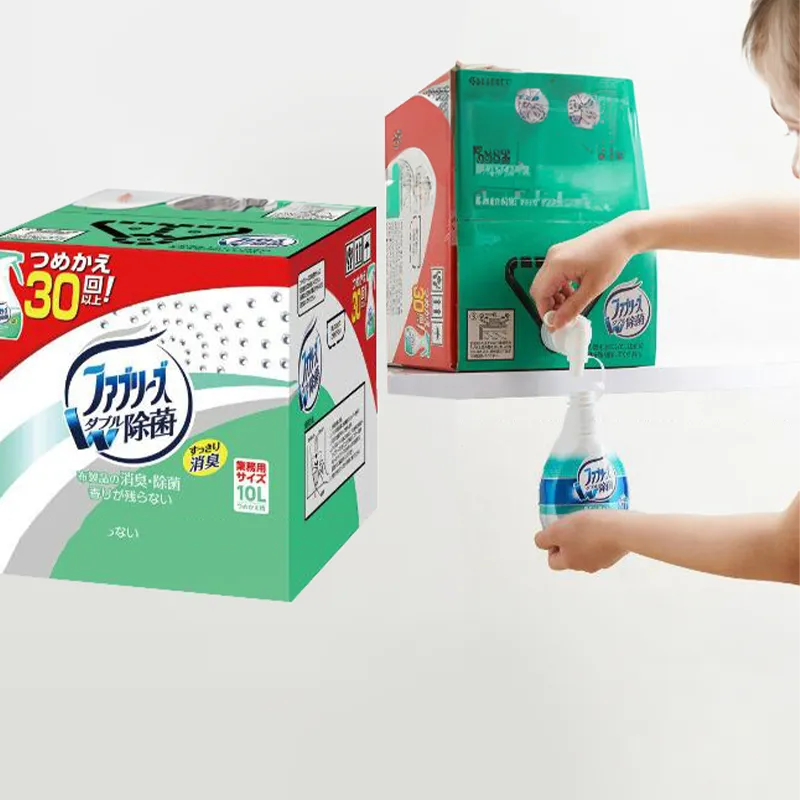
What is Bag-in-Box Packaging?
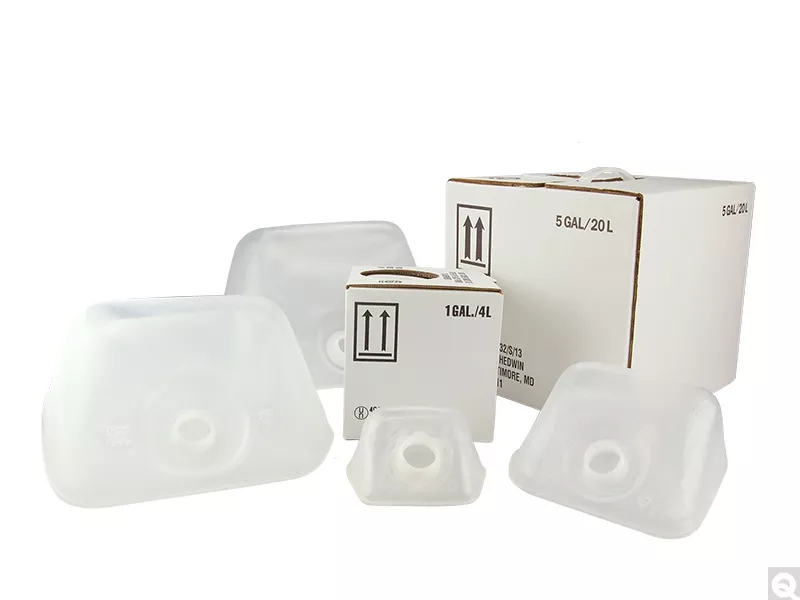
Bag-in-Box packaging consists of a flexible, laminated bag fitted inside a rigid outer carton. A dispensing tap or valve is connected to the bag, allowing controlled release of the liquid contents.
Key Features of BiB Packaging
- Sealed bag with no air ingress
- Ease of dispensing via tap
- Durable outer carton for transport
- Collapsible inner bag reduces waste
- Option for color coding and hazard labels
How Bag-in-Box Reduces Chemical Exposure
Minimizing Direct Contact During Use
Traditional jugs or drums require manual lifting, tipping, and pouring—actions that often result in splashing and spills.
With Bag-in-Box:
- The dispensing tap allows controlled flow
- Workers do not need to tip or lift heavy containers
- Pouring can be done at waist height, reducing splash risk
This dramatically lowers the chance of chemicals contacting skin or clothing.
Reducing Spills and Drips
The design of BiB tanks prevents dripping between uses. When the tap is closed, the bag collapses and seals, so:
- There are no drops left on the container neck
- No need for secondary drip trays or absorbents
- Cleaning requirements are reduced
Table 2 shows a rough comparison of spill likelihood across packaging types.
Estimated Spill Risk by Packaging Format
| Packaging Type | Likelihood of Spills | Typical Spill Volume | Cleanup Complexity |
| Open Jug/Bottle | High | Medium | Moderate |
| Drum with Funnel | Moderate | High | High |
| Bag-in-Box | Low | Low | Low |
Improved Control of Chemical Dispensing
Accurate dosing is essential—not only for effectiveness but also to prevent over-exposure. BiB systems often include:
- Graduated taps
- Integrated metering attachments
- Quick connect fitting to dosing systems
These allow precise amounts to be dispensed without guesswork, decreasing the chance of overdosing and operator error.
Eliminating Air Entrapment and Fumes
When chemicals like concentrated pesticides are exposed to air during repeated opening and pouring, they can off-gas fumes.
BiB technology minimizes air contact because:
- The bag collapses as liquid is removed
- No air is drawn inside to replace volume
- Fumes remain contained within the bag laminate
This significantly reduces inhalation risks in enclosed workspaces.
Safer Storage and Transport
Bulk containers such as drums can leak during storage, especially if they are not properly sealed or if they shift during transport. BiB:
- Comes with secure closures
- Provides stacked, box protection
- It is lighter and easier to handle
Together, these traits lower the risk of accidental release.
Case Study: Application on a Mid-Size Farm
Consider a 500-acre crop farm that uses various liquid treatments throughout the season. The farm previously purchased 55-gallon drums of herbicides and hired workers to transfer them to tanks.
Challenges Before BiB
- Multiple minor spills during transfer
- Frequent need to don protective gear
- Visible residues around the mixing station
- Worker complaints of odors
After Switching to BiB
- Spillage incidents dropped by 80%
- Workers spent less time cleaning
- Pesticide usage became more accurate
- Protective gear requirements were adjusted
These improvements translated into measurable safety gains and reduced downtime.
Worker Safety and Regulatory Compliance
Many regions have strict safety requirements for handling agricultural chemicals, including:
- Proper labeling
- Spill containment
- Training documentation
BiB packaging helps farms meet these requirements because:
- Pre-printed hazard info remains visible
- The system reduces surface contamination
- Disposal of empty bags is easier to track
Table 3. Packaging Compliance Benefits
| Compliance Area | Traditional Packaging | Bag-in-Box |
| Leak Prevention | Medium | High |
| Label Visibility | Good | Excellent |
| Spill Documentation | Manual | Easier |
| PPE Integration | High need | Reduced |
Environmental Benefits Alongside Safety
Reducing chemical exposure is not just about worker health; it supports environmental stewardship.
Reduced Waste
Bag-in-Box containers collapse as they empty, reducing the volume of waste and eliminating the need for secondary packaging materials like liners and pallets.
Less Contamination Risk
With fewer spills and better sealing, chemicals are less likely to reach soil, waterways, or drain systems.
Fewer Disposal Challenges
Because BiB bags are typically smaller and more manageable than drums, they are easier to transport for recycling or proper disposal.
Economic Considerations
Adopting BiB systems also has economic implications:
- Lower labor cost: Less time spent cleaning and handling
- Reduced product loss: Less residual liquid left in containers
- Lower injury risk: Potentially lower insurance and compensation costs
Estimated Cost Benefits of Switching to Bag-in-Box
| Cost Category | Before BiB | After BiB | Estimated Savings |
| Chemical Loss (unused drip) | High | Low | 10–15% savings |
| Labor (handling + cleanup) | High | Moderate | 20–30% savings |
| PPE and Safety Gear | Standard | Lower demand | 5–10% savings |
| Regulatory Fines/Incidents | Risk present | Reduced | Variable |
Note: Savings will vary by farm size, chemical types, and frequency of use.
Implementing Bag-in-Box Safely on the Farm
Farm managers should consider the following best practices:
Train Staff Before Transitioning
Even with safer systems, proper training is essential:
- How to operate taps safely
- What PPE remains necessary
- How to store and stack BiB boxes securely
Match Packaging to Chemical Type
Not all chemicals are identical; some may require:
- Specialized liner materials
- Specific closure systems
- Venting control
An experienced supplier can advise on the right bag material based on chemical properties.
Monitor Dispensing Areas
Install floor drains, secondary containment, and visual reminders:
- Keep dispensing zones clean
- Regularly inspect valves and fittings
- Replace worn hoses or taps
Challenges and Limitations
While Bag-in-Box has many advantages, farms should be aware of potential limitations:
Upfront Cost of Systems
Dispensing equipment and fittings may require an initial investment.
Compatibility with All Chemicals
Some formulations may not be suited to standard bag materials; customization is needed.
Need for Standardized Training
Without proper training, even BiB systems can be misused.
Future of Chemical Packaging in Agriculture
BiB packaging is part of a larger evolution in agricultural chemical safety, which includes:
| Trend | Impact on Safety |
| Smart dosing systems | Precision application |
| RFID labeling and tracking | Better inventory, reduced loss |
| Closed mixing stations | Minimal operator exposure |
| Biodegradable packaging liners | Reduced waste |
These innovations together aim to make farms safer and more sustainable.
Chemical exposure remains one of the most serious safety concerns on farms, affecting workers, communities, and ecosystems. Bag-in-Box packaging offers a practical and effective way to reduce exposure by:
- Minimizing spills and splashes
- Reducing air contact and fumes
- Improving dispensing accuracy
- Enhancing storage and transport safety
When paired with proper training and safety systems, BiB solutions help farms operate more safely, efficiently, and sustainably.