
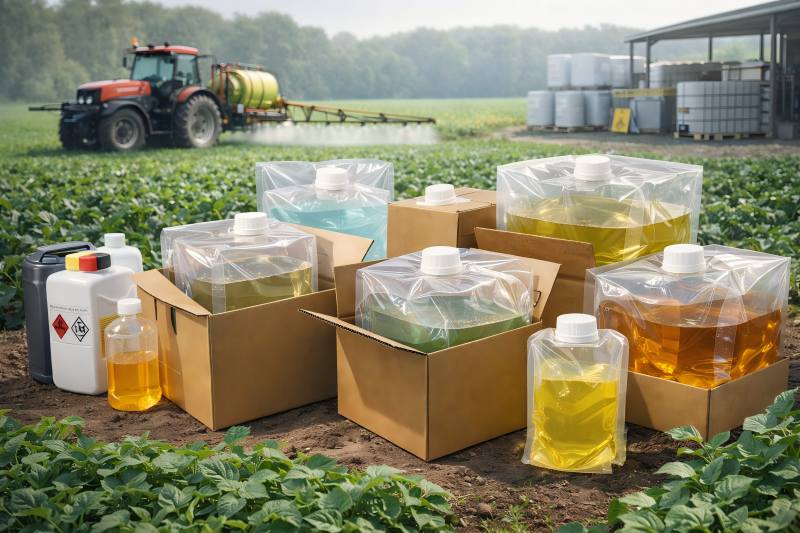
In modern agriculture, efficient agrochemical handling is vital for productivity, safety, and environmental protection. Cubitainers offer a practical, versatile, and cost-effective solution for storing pesticides, fertilizers, and liquid nutrients, making them increasingly important in modern farming.
Introduction: Why Agrochemical Storage Matters
Agricultural chemicals such as pesticides, herbicides, and liquid fertilizers are key to maximizing crop yields and protecting plants from pests and diseases. These chemicals are often hazardous if mishandled, improperly stored, or incorrectly mixed. Efficient storage solutions help:
- Maintain chemical integrity and effectiveness
- Reduce the risk of spillage, contamination, and degradation
- Protect workers, livestock, and ecosystems
- Ensure compliance with agricultural safety standards
In this context, choosing the right storage container is crucial. Traditional drum-based systems present challenges in handling, transport, and space optimization. This is where cubitainers offer a smarter alternative.
Common Agrochemicals Stored in Cubitainers and Their Requirements
| Agrochemical Type | Typical Form | Storage Sensitivity | Recommended Cubitainer Features |
| Herbicides | Liquid concentrates | Sensitive to UV and heat | UV-stabilized HDPE, tight-seal cap |
| Insecticides | Emulsifiable liquids | Volatile, hazardous | Chemical-resistant HDPE, spill-proof spout |
| Fungicides | Suspension concentrates | Settling risk | Wide-mouth cubitainer, easy agitation |
| Liquid Fertilizers | Nutrient solutions | Corrosive to metals | Thick-wall HDPE, reinforced base |
| Adjuvants | Oils or surfactants | Chemical interaction risk | Compatibility-tested plastic material |
What Are Cubitainers?
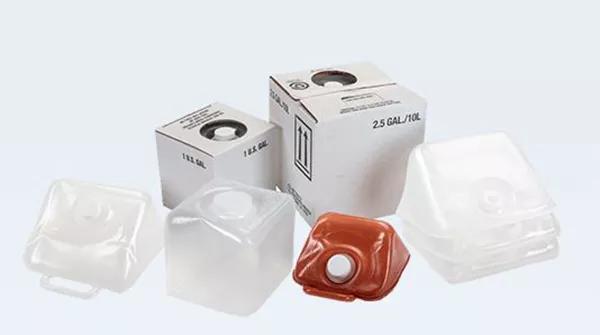
Cubitainers are robust, rectangular containers commonly manufactured from high-density polyethylene (HDPE), designed for demanding storage and transport applications. They are designed with integrated handles and a threaded top with a spout or cap for easy filling and dispensing. Sizes can range from small 1–5 liter formats to large 20–30 liter capacities, making them versatile for different farm scales.
Key features of cubitainers include:
- Durable plastic construction
- Stackable rectangular shape
- Easy-to-use dispensing spout
- Space-efficient design
- Chemical-resistant materials
These features make cubitainers well-suited for storing a broad range of agrochemicals while addressing common challenges associated with bulk liquid handling.
Advantages of Using Cubitainers in Agrochemical Storage
Space Efficiency
One of the biggest advantages of cubitainers is their shape. Unlike cylindrical drums or jerry cans, cubitainers are rectangular, allowing them to fit neatly together without wasted space. This maximizes storage capacity in sheds, warehouses, or transport vehicles.
- Improved stacking efficiency
- Optimized use of storage space
- Easier to organize and label
This makes cubitainers particularly useful for farms handling multiple types of agrochemicals.
Ease of Handling and Transport
Cubitainers are designed with integrated handles and a relatively lightweight construction. This makes them easier to carry, lift, and pour from compared with metal drums or rigid containers.
- Reduced physical strain for workers
- Safer transport within the farm
- Less heavy equipment is needed for movement
The ergonomic benefits improve overall operational efficiency, especially during intensive application seasons.
Chemical Compatibility and Protection
High-density polyethylene (HDPE), the material most commonly used for cubitainers, offers strong resistance to a wide range of chemical formulations, from highly acidic herbicides to alkaline nutrient solutions. HDPE reduces the risk of container degradation, leakage, or chemical reactions.
- Protects agrochemicals from external contamination
- Reduces risk of chemical breakdown
- Ensures longer shelf life for stored products
This durability helps preserve the effectiveness of expensive agrochemical inputs.
3.4 Cost-Effectiveness
Compared to metal drums or custom steel tanks, cubitainers are relatively inexpensive to manufacture and purchase. Their lightweight nature also reduces shipping costs—both for the empty container and for filled dispatches.
- Lower upfront cost
- Reduced logistics expenses
- Reusable with proper cleaning (in some cases and where permitted)
These savings can be significant for mid-sized and large farming operations.
Improved Safety and Spill Control
Cubitainers can be equipped with tight-sealing caps and vented spouts, minimizing the risk of leaks during transport or storage. In addition, their stable base reduces the chance of tipping over.
- Minimized risk of spills
- Reduced worker exposure to hazardous chemicals
- Easier to contain and clean up accidents
When combined with proper storage practices, cubitainers help maintain a safer work environment.
Cubitainers vs. Traditional Agrochemical Storage Containers
| Criteria | Cubitainers | Metal Drums | Round Jerry Cans |
| Shape Efficiency | Rectangular, stackable | Cylindrical, space-wasting | Semi-efficient |
| Handling Ease | Lightweight, built-in handles | Heavy, requires equipment | Manual handling |
| Spill Risk | Low with sealed spouts | Moderate during pouring | Moderate |
| Chemical Resistance | High (HDPE) | Variable, corrosion-prone | High |
| Cost Efficiency | High | Medium to low | Medium |
| Farm-Scale Suitability | Small to large farms | Large-scale only | Small to medium farms |
Best Practices for Using Cubitainers in Agriculture
While cubitainers offer many advantages, implementing best practices ensures optimal performance and safety.
Choose the Right Material and Size
Not all cubitainers are created equal. For storing agrochemicals, choose containers that are:
- Food-grade or industrial-grade HDPE (as required)
- UV-stabilized for outdoor exposure
- Appropriate capacity for your chemical volumes
Larger farms may use 20–30 liter cubitainers, while smaller operations may benefit from 5–10 liter sizes.
Recommended Cubitainer Sizes by Farm Operation Scale
| Farm Scale | Typical Application | Recommended Cubitainer Size |
| Small Farms | Spot spraying, garden crops | 5–10 liters |
| Medium Farms | Routine crop protection | 10–20 liters |
| Large Farms | Bulk agrochemical handling | 20–30 liters |
| Cooperatives | Shared chemical distribution | 25–30 liters |
| Research Stations | Controlled testing and trials | 1–5 liters |
Label Clearly and Accurately
Every cubitainer should be clearly labeled with:
- Chemical name and concentration
- Application instructions
- Safety precautions
- Date of storage
Proper labeling prevents mix-ups, improves inventory control, and supports compliance with safety regulations.
Store in a Controlled Environment
Agrochemicals should ideally be stored in a secure, ventilated, and shaded location away from direct sunlight, extreme temperatures, and incompatible substances.
- Temperature-controlled sheds
- Secondary containment trays
- Shelving that prevents direct ground contact
This helps preserve agrochemical quality and reduces environmental risk.
Handle With Care
When moving or dispensing agrochemicals from cubitainers:
- Use personal protective equipment (PPE)
- Avoid shaking or sudden impacts
- Tighten caps immediately after use
- Use funnels or pump systems to reduce spills
Training workers on safe handling practices prevents accidents.
Follow Regulatory Guidelines
Different regions have specific requirements for agrochemical storage. Farmers should:
- Comply with local agricultural and environmental laws
- Maintain safety data sheets (SDS) for all products
- Report any spills according to regulations
Proper documentation and adherence to standards protect both people and the environment.
Case Studies: How Cubitainers Help Farms Simplify Storage
Case Study 1: A Vegetable Farm in California
Green Valley Farms, a mid-sized vegetable producer, struggled with space constraints and frequent product mix-ups. Switching to standardized 10-liter and 20-liter cubitainers allowed the farm to:
- Reorganize its storage room with better labeling
- Reduce accidental spills by 40%
- Decrease time spent on inventorying chemicals
Staff reported improved safety and efficiency during peak seasons.
Case Study 2: A Rice Cooperative in Southeast Asia
A rice cooperative managing multiple storage hubs adopted 30-liter cubitainers for bulk herbicides. Benefits included:
- Easier transport to remote fields
- Better chemical preservation during humid seasons
- Lower shipping costs compared to drums
The cooperative also trained workers on container handling, enhancing occupational safety.
Challenges and Limitations
While cubitainers offer many benefits, they are not without limitations.
6.1 Single-Use Perceptions and Waste
Many farmers see cubitainers as single-use packaging, contributing to plastic waste. However, responsible recycling and reuse programs can mitigate this concern.
- Partnering with recycling facilities
- Reusing containers where permitted and safe
- Choosing recyclable materials
Sustainable practices can reduce environmental impacts.
Compatibility With Certain Chemicals
While HDPE is chemically resistant, not all formulations are suitable for long-term storage in plastic. Some solvents or highly reactive compounds may degrade polymer containers.
Farmers need to:
- Check manufacturer compatibility charts
- Consult with chemical suppliers
This prevents container failure and contamination.
Training and Awareness
Proper handling and storage depend on worker training. Lack of awareness can lead to:
- Improper sealing
- Mislabeling
- Unsafe mixing practices
- Investing in regular training and clear protocols is essential.
Current Developments in Agrochemical Storage and Cubitainer Innovation
The agricultural packaging industry is continuously evolving, driven by advances in sustainability, convenience, and safety.
Eco-Friendly Materials
Biodegradable plastics and recycled polymers are gaining attention in cubitainer production. These materials reduce environmental footprint without compromising performance.
Improved Dispensing Mechanisms
Cubitainers with built-in spigots, metered dispensers, and ergonomic valves make pouring and measurement easier and safer.
Smart Labeling and RFID Tracking
Digital innovations, such as QR codes and RFID tags, help farmers track inventory, expiration dates, and usage history—boosting precision agriculture practices.
Integration with On-Farm Refill Stations
Some farms are installing centralized refill systems where cubitainers can be safely refilled from bulk tanks under controlled conditions, reducing packaging waste and logistics costs.
Efficient agrochemical storage is foundational to farm safety, productivity, and environmental stewardship. Cubitainers have emerged as a practical, cost-effective, and versatile solution for farmers worldwide. Their space-saving design, ease of handling, and chemical compatibility make them especially effective in diverse agricultural scenarios—from small family farms to large agribusiness operations.
However, the benefits of cubitainers are maximized only when paired with responsible handling, clear labeling, proper safety training, and regulatory compliance. As the agricultural sector embraces innovation, cubitainers are likely to play an increasingly important role in sustainable agrochemical management—supporting safer farms, healthier crops, and better environmental outcomes.