
Packaging technologies such as Bag-in-Box (BiB) milk packaging are revolutionizing the storage, transportation, and consumption of milk as customers value freshness, convenience, and sustainability. BiB offers many advantages over conventional formats, including increased cost-effectiveness, freshness, shelf life, and environmental impact. This article explores BiB’s components, its growing popularity, and how it compares to other dairy packaging options.
Why Milk Packaging Matters
Because milk is sensitive to light, air, and microbial contamination, it is a highly perishable product. Conventional packaging can shorten shelf life and damage quality by allowing microbial growth and oxygen infiltration. Effective packaging must:
- Protect from oxygen and light
- Maintain hygienic conditions
- Withstand transport stresses
- Be easy for consumers to use
Bag-in-Box addresses many of these challenges more effectively than conventional containers.
The Science Behind Bag-in-Box and Milk Freshness
Milk spoilage often begins with oxidation and microbial growth, both of which are accelerated by exposure to air and light. Bag in Box packaging limits these exposures in several ways:
How BiB Preserves Freshness
- Minimal Air Exchange: Liquids are dispensed through a sealed tap, preventing oxygen from entering the bag.
- Barrier Materials: The inner bag’s multilayer films block light and oxygen.
- Flexible Structure: The bag collapses as milk is used, reducing headspace and oxygen contact.
- Controlled Dispensing: One-way valves keep contaminants out.
When used properly, BiB can substantially lengthen the shelf life of fresh milk and reduce spoilage.
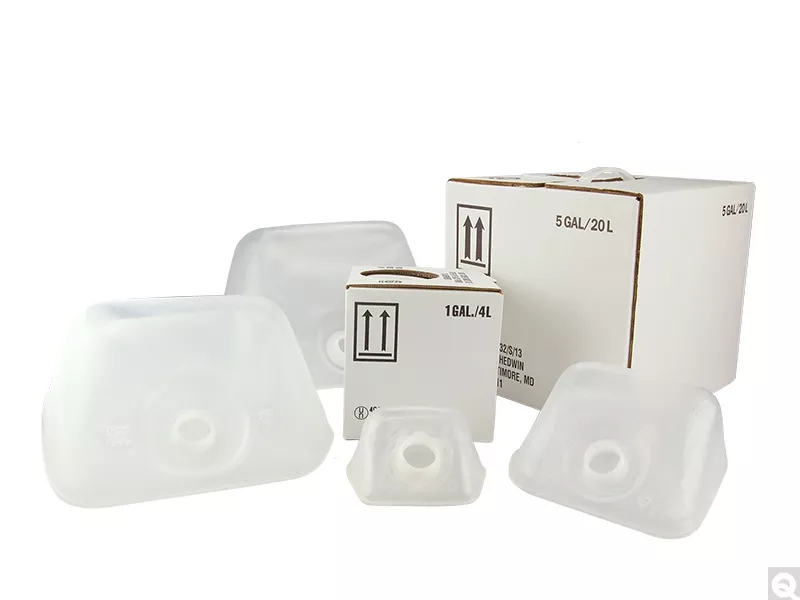
Bag-in-Box vs. Traditional Milk Packaging
Below is a comparison between Bag-in-Box and common milk packaging formats:
| Feature / Metric | Bag-in-Box | Plastic Jug | Paper Carton | Glass Bottle |
| Shelf Life (Unopened) | Extended | Standard | Standard | Standard |
| Oxygen Exposure After Opening | Very Low | Medium | Medium | High |
| Light Protection | High | Medium | Medium | Low/Medium |
| Transportation Efficiency | Excellent | Good | Good | Poor (fragile) |
| Cost-Effectiveness | High | Medium | Medium | Low |
| Recyclability* | High (Bag & Box) | Recyclable Plastic | Recyclable Paper | Recyclable Glass |
| Consumer Convenience | High | High | High | Medium |
| Storage Space Efficiency | Very High | Medium | Medium | Low |
*Actual recyclability depends on local facilities.
This table highlights where BiB stands out:
- Freshness preservation
- Shelf life extension
- Transportation and storage efficiency
- Cost efficiency
Environmental Considerations
Packaging design now heavily considers environmental sustainability. Bag-in-Box offers a number of benefits for the environment:
Material Use
Because of its flexible bag, BiB consumes less plastic than rigid containers. Although multilayer films may be harder to recycle, efforts are underway to develop fully recyclable BiB films.
Reduced Carbon Footprint
By collapsing as contents are dispensed, BiB takes up less landfill space and can potentially reduce waste collection costs.
Efficiency of Transportation
BiB’s small size and light weight make it perfect for fuel-efficient long-distance shipment.
Recycling Options
- Box Component: Easily recyclable as cardboard in most regions.
- Bag Component: Recycling depends on local infrastructure; some areas accept flexible plastics.
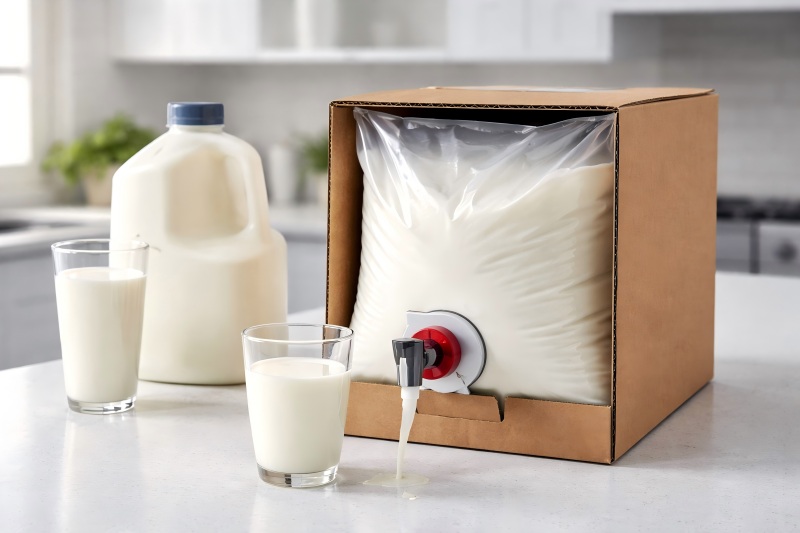
Applications of Bag-in-Box in the Dairy Industry
Although originally popularized in the wine industry and for bulk syrups, BiB has found significant applications in dairy, including:
Retail Milk Packaging
BiB is increasingly used by grocery brands to sell fresh milk in larger household sizes (e.g., 2–4 liters), with improved freshness retention.
Food Services & Bulk Use
Restaurants, cafés, and institutions use milk BiB systems with dispenser taps to reduce waste and improve speed of service.
Long Shelf Life Milk (UHT)
Ultrahigh temperature (UHT) milk benefits from BiB barrier properties to maintain shelf life without refrigeration.
Consumer Benefits of Bag-in-Box Milk
Long-Lasting Freshness
The collapsing bag means air never enters the container, which prevents oxidation and spoilage. This is especially helpful for families or establishments that don’t use milk quickly after opening.
Ease of Use
The tap system allows precise pouring without spilling or needing to lift heavy containers.
Hygiene and Safety
When compared to open jugs or bottles, dispensers greatly lower contamination.
Cost Savings
Less product waste due to spoilage translates to better value for consumers.
Industry Benefits
Lower Transportation Costs
BiB’s lightweight, space saving design reduces shipping volume and weight.
Reduced Returns
Products are less likely to spoil, minimizing retailer costs for returned stock.
Shelf Life Reliability
Producing milk packaging that consistently maintains freshness increases brand trust.
Potential Challenges and Limitations
No packaging system is without limitations. Challenges with BiB include:
Recycling Infrastructure
Multilayer films can be difficult to recycle in some regions. Investing in recycling technologies is necessary to achieve sustainability objectives.
Consumer Perception
Some consumers initially prefer traditional packaging due to familiarity.
Tap Mechanism Costs
While highly effective, the one way valve and dispenser system can slightly increase production costs.
Technical Aspects: BiB Barrier Performance
To understand how BiB extends freshness, we must look at key performance measures:
| Property | Importance | BiB Performance |
| Oxygen Transmission Rate (OTR) | Low OTR = Better Freshness | Very Low (Excellent) |
| Light Blockage | Protects Vitamins & Flavor | High |
| Puncture Resistance | Prevents Leaks During Transport | Medium High |
| Material Strength | Consumer Handling Durability | High |
| Tap Seal Integrity | No Backflow, No Contamination | Excellent |
BiB excels particularly in oxygen control, which is critical to maintaining milk flavor and preventing early spoilage.
Cost Comparison
Here we examine typical cost dynamics between BiB and conventional packaging (indicative estimates).
| Cost Element | Bag in Box | Plastic Jug | Paper Carton | Glass Bottle |
| Material Cost | Low Medium | Medium | Medium | High |
| Production/Fill Line Cost | Medium | Medium | Medium | High |
| Transportation Cost | Low | Medium | Medium | High |
| Storage Cost (Retailer) | Low | Medium | Medium | High |
| Waste / Spoilage Cost | Very Low | Medium | Medium | High |
| Overall Unit Economies | Very Competitive | Competitive | Competitive | Less Competitive |
Note: Absolute values vary by region, production scale, and material pricing volatility. However, BiB shows consistent advantages in transportation and waste costs.
Market Trends and Future Outlook
Growing Adoption
Retailers and dairy producers worldwide are exploring BiB due to consumer demand for freshness and convenience.
Sustainability Innovation
Research continues into fully recyclable BiB films and compostable inner liners to improve environmental performance.
Smart Packaging Integration
There is potential for integration with QR codes and freshness sensors to provide consumers with traceability and quality indicators.
Best Practices for Customers
To maximize the benefits of bag-in-box milk packaging:
| Consumer Tip | Benefit |
| Refrigerate immediately after purchase | Maintains freshness |
| Dispense milk using the tap only | Reduces contamination risk |
| Store away from direct light | Preserves nutritional quality |
| Use within the recommended period after opening | Ensures the best flavor and safety |
Proper handling ensures that BiB delivers its full freshness potential.
While traditional milk packaging still plays a role, Bag-in-Box offers significant advancements in freshness, convenience, cost efficiency, and sustainability. By reducing oxygen exposure, simplifying dispensing, and lowering spoilage, BiB is poised to become the preferred choice for consumers and industry. As recycling and awareness improve, Bag-in-Box will play a larger role in keeping milk fresh.