
Cubitainers — also known as bag-in-box containers or liquid cartons — have become an increasingly popular packaging solution across industries such as food and beverage, chemical supply, industrial fluids, and emergency water storage. As businesses seek packaging formats that save cost, reduce waste, improve logistics, and maintain product quality, cubitainers often rise to the top due to their unique combination of features.
In this in-depth guide, we’ll explore whether cubitainers are truly cost-effective from multiple business perspectives. We’ll analyze:
- Material and manufacturing costs
- Supply chain and logistics benefits
- Storage and handling efficiencies
- Environmental costs
- Quality control and shelf life
- Total cost of ownership (TCO)
Along the way, we’ll use tables to help compare cubitainers with alternative packaging formats and illustrate where they provide an advantage or a disadvantage.
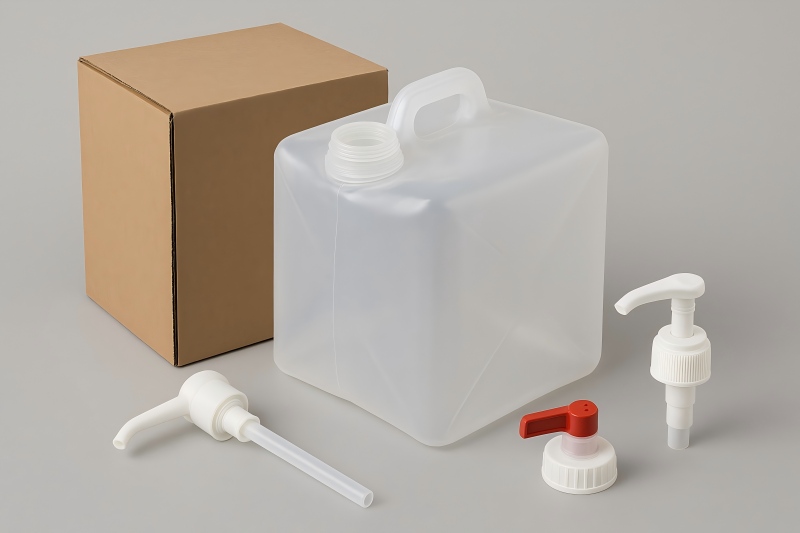
What Is a Cubitainer?
A cubitainer is a flexible plastic bag encased in a rigid cardboard or corrugated outer box. The bag typically features an integrated spout or valve, allowing for controlled dispensing of liquids. Cubitainers can range in volume from 1 liter to 20 liters or more, making them suitable for both consumer and industrial use.
Cubitainers are commonly used for:
- Water and beverages (juices, wine, syrups)
- Food ingredients (oils, sauces, liquid concentrates)
- Chemicals and industrial liquids
- Emergency and disaster supplies
Their popularity stems from combining flexibility, protection, and ease of use.
Are Cubitainers Cost-Effective?
Short answer: Yes — in many cases, cubitainers are cost-effective, especially when evaluated across the entire lifecycle of procurement, storage, transportation, and disposal. However, the picture varies depending on product type, supply chain setup, and regulatory requirements.
To fully understand cost-effectiveness, it’s useful to evaluate both upfront costs and total lifecycle costs.
Material and Manufacturing Costs
One of the biggest advantages of cubitainers is their low cost of materials and production compared to traditional rigid packaging such as HDPE bottles, metal drums, or glass containers.
Material Cost Comparison
| Packaging Type | Material Composition | Relative Material Cost | Production Complexity |
| Cubitainer | LDPE/Tie/Barrier film + cardboard | Low | Moderate |
| HDPE Bottle | High-density polyethylene | Medium High | Low |
| Glass Bottle | Glass | High | High |
| Metal Drum | Steel | High | Moderate |
| Flexible Pouch | Multi-layer film | Low | High |
Key Takeaways:
- Cubitainers use thin, flexible films, which require less raw material per unit volume.
- The cardboard outer box adds structure at a low cost.
- Compared with rigid containers that need thicker walls, blow molding, or heavy materials, cubitainers are cheaper to produce at scale.
Why It Matters: For high-volume businesses, even small savings per unit compound into significant annual cost reductions.
Supply Chain and Logistics Savings
Transportation and storage are major cost centers for any business that handles liquids. Here, cubitainers offer significant advantages.
Lower Transport Costs
Cubitainers are designed to maximize space efficiency. When empty, they take up extremely little space — often less than 20% of what a rigid container occupies.
| Metric | Cubitainer | Rigid Bottle | Difference |
| Empty Volume Footprint | Very Low | High | Saves space |
| Filled Weight to Volume Ratio | Comparable | Comparable | Neutral |
| Stackability | High (boxed) | High | Neutral |
| Shipping Cost per Liter | Lower | Higher | Cost savings |
With better pallet utilization and less wasted air space, cubitainers lower per-unit freight costs.
Warehouse Storage Efficiency
In warehouse settings, the ability to collapse empty cubitainers significantly reduces storage needs.
| Storage Metric | Cubitainer | Rigid Container | Impact |
| Storage Space Empty | Very low | High | Reduction in rental/real estate cost |
| Storage Space Full | Moderate | High | More efficient use of space |
| Handling Labor | Reduced | Higher | Cost Saving |
Packaging Performance and Product Protection
Cost-effectiveness isn’t just about price — it’s also about protecting product quality and minimizing waste.
Barrier and Seal Properties
Most cubitainers use multi-layer films that can include oxygen, moisture, and light barriers. This is especially valuable for sensitive liquids like wine, juices, oils, or chemical reagents.
| Property | Cubitainer | HDPE Bottle | Glass Bottle |
| Oxygen Barrier | High (when barrier film is used) | Moderate | Very High |
| Moisture Barrier | High | Moderate | Very High |
| UV Protection | Moderate High | Depends on color | High (amber glass) |
| Leak Protection | High | High | Very High |
Because cubitainers protect product integrity well, businesses experience less spoilage and fewer returns, which contribute to cost savings.
Handling, Filling, and Machinery Costs
The economics of packaging also depend on the equipment required to fill and seal containers.
Filling Line Comparison
| Filling Equipment | Complexity | Cost | Throughput |
| Cubitainer Filler | Moderate | Moderate | High |
| Rigid Bottle Filler | Moderate | Moderate High | High |
| Glass Bottle Filler | High | High | Medium |
| Drum Filler | High | High | Low |
Cubitainers often integrate well with modular filling lines and may use gravity or semi-automatic fillers. They can also be filled at high throughput rates with minimal retooling.
Note: Businesses switching format may incur upfront machinery investment — but the long-term savings in materials and handling often outweigh the cost.
Environmental and Sustainability Costs
Increasingly, businesses must account not just for direct expenses but also for environmental impact costs. These include waste management, sustainability reporting, and consumer perception.
End-of-Life Considerations
| Packaging Type | Recyclability | Waste Volume | Environmental Impact |
| Cubitainer | Partial/Varies | Low | Moderate |
| HDPE Bottle | Widely Recyclable | Moderate | Lower |
| Glass | Fully Recyclable | High | Low |
| Metal Drum | Fully Recyclable | Very High | Low |
Cubitainers use less plastic per liter of liquid stored, and their collapsible nature minimizes landfill volume when disposed. However, the multi layer films can be harder to recycle in some regions.
Some manufacturers offset this with:
- Take-back programs
- Use of recyclable or repulpable cardboard boxes
- Lower carbon footprint due to reduced transport emissions
Reducing Product Waste and Spoilage
Preserving product integrity has a direct cost implication. Contamination, oxidation, and moisture ingress can destroy product value.
Spoilage and Waste Comparison
| Factor | Cubitainer | Rigid Containers |
| Oxidation | Very low (bag collapses as product is dispensed) | Medium (air can contact product) |
| Leakage Risk | Low | Moderate |
| Contamination Risk | Moderate Low | Depends on cap/seal |
Because cubitainers collapse as they dispense liquid, they minimize air contact with the remaining product, reducing oxidation. This is particularly advantageous for wine, juices, edible oils, and sensitive chemical reagents.
Fewer spoiled batches mean more cost savings.
Total Cost of Ownership (TCO)
When deciding whether cubitainers are cost effective, businesses should adopt a Total Cost of Ownership (TCO) perspective — which includes:
- Initial packaging cost
- Transportation cost
- Storage cost
- Filling & Handling cost
- Product protection value
- Waste & disposal cost
- Environmental compliance cost
TCO Comparison Across Packaging Types
| Cost Category | Cubitainer | HDPE Bottle | Glass Bottle | Metal Drum |
| Material Cost | Low | Med High | High | High |
| Transportation Cost | Low | Med | High | High |
| Storage Cost | Low | Med | High | High |
| Filling Equipment Cost | Med | Med | High | High |
| Product Protection Value | High | Med | Very High | Very High |
| Waste & Disposal Cost | Low | Med | Med | Med |
| Environmental Compliance | Moderate | Low | Low | Low |
| Overall TCO Score | Low | Med | High | High |
Interpretation: Cubitainers frequently have lower total lifecycle cost compared to rigid formats when all factors are considered.
Business Case Scenarios
Food & Beverage Industry
In products like wine, cider, juice concentrates, and liquid flavorings, cubitainers excel due to:
- Excellent oxygen barrier
- Easy dispensing
- Flat or tapered box design for branding
- Shelf-stable storage
They reduce waste and return costs, help retain product freshness, and reduce shipping expenses — making them highly cost-effective.
Industrial Liquids (Oils, Chemicals, Additives)
For industrial fluids, especially non-hazardous liquids, cubitainers offer:
- Bulk size options (10–20L)
- Reduced spill risk
- Lower transport costs
- Easy storage after use
Compared to drums and rigid packaging, cubitainers save space and improve handling efficiency.
Emergency Preparedness and Water Storage
Cubitainers are frequently used for emergency water storage due to their:
- Clean dispensing
- Low storage footprint when empty
- Lower cost for bulk water
This makes them attractive for NGOs, governments, and disaster relief.
Potential Challenges and Limitations
No packaging solution is perfect. Compared to some rigid containers, cubitainers have:
- Limited reusability (they are often single use unless designed otherwise)
- Varying recycling infrastructure availability
- Lower puncture resistance if mishandled
- Perceived lower “premium” value in some premium markets
However, many of these challenges can be mitigated with design improvements, protective corrugated packaging, and proper handling protocols.
So, are cubitainers cost effective for businesses?
Yes — especially when evaluated from a holistic, total lifecycle perspective.
Cubitainers save costs in multiple strategic areas:
✔ Lower material and production costs
✔ Reduced transportation and storage expenses
✔ Improved product protection with less spoilage
✔ Flexible supply chain integration
✔ Lower handling and disposal costs
When compared to traditional rigid containers such as HDPE bottles, glass, or metal drums, cubitainers typically deliver superior cost efficiency for many liquid packaging needs — particularly in food & beverage, industrial fluids, and emergency storage sectors.
The decision ultimately depends on your product, distribution model, regulatory needs, and customer expectations. However, for businesses seeking a cost effective, space efficient, and reliable liquid packaging solution, cubitainers are often a smart choice.