
As liquid products diversify and supply chains grow more complex, Cheertainers have become a flexible and efficient packaging choice across industries. Their performance depends on selecting the right size and inner film for each liquid, and this article explains how proper customization ensures safety, quality, and cost efficiency.
Understanding Cheertainer Packaging Systems
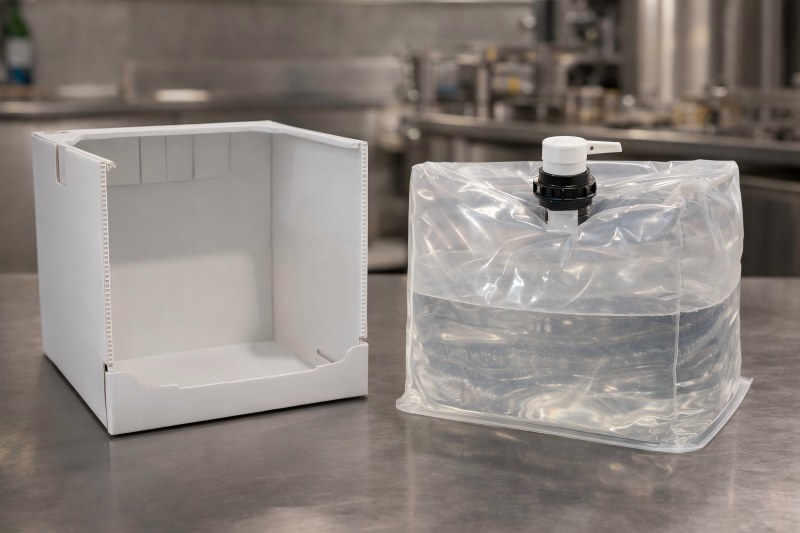
A cheertainer system typically consists of two core components:
Outer rigid container
Usually made from corrugated board or molded plastic, providing stacking strength, protection during transport, and ease of handling.
Inner flexible bag (liner)
Made from multi-layer films designed to hold liquids safely, prevent contamination, and control oxygen, moisture, and chemical interaction.
Customization focuses primarily on:
- Container capacity and dimensions
- Film structure, material selection, and thickness
- Valve or dispensing fitments
Why Customization Matters for Liquid Packaging
Liquids vary widely in terms of:
- Chemical composition
- Sensitivity to oxygen or light
- Viscosity and flow behavior
- Temperature requirements
- Regulatory and hygiene standards
A “one-size-fits-all” cheertainer solution rarely performs well across all applications. Proper customization enables:
- Improved product shelf life
- Reduced packaging failures and returns
- Lower transportation and storage costs
- Easier dispensing and end-user handling
- Compliance with food, pharma, or chemical regulation
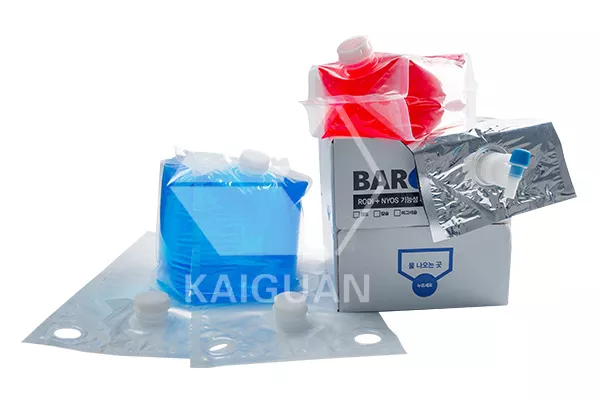
Customizing Cheertainer Sizes for Different Liquids
Small-Volume Liquids (5–10 Liters)
Typical applications
- Food ingredients (syrups, sauces, concentrates)
- Specialty chemicals
- High-value liquids
- Laboratory or test batches
Key size considerations
- Compact footprint for limited storage spaces
- Easy manual handling without lifting equipment
- Precise dispensing with minimal waste
Advantages
- Reduced risk of product exposure during use
- Faster turnover and better freshness
- Ideal for customers with low consumption rates
Medium-Volume Liquids (10–25 Liters)
Typical applications
- Beverages (wine, juice, dairy bases)
- Edible oils
- Liquid detergents and cleaners
- Agricultural nutrients
Key size considerations
- Balance between capacity and manageability
- Optimized box dimensions for pallet efficiency
- Compatibility with standard taps or pump systems
Advantages
- Lower packaging cost per liter
- Widely compatible with existing dispensing equipment
- Efficient for restaurants, farms, and processing plants
Large-Volume Liquids (200–1,000+ Liters)
Typical applications
- Industrial chemicals
- Bulk food ingredients
- Liquid fertilizers
- Oils and lubricants
Key size considerations
- Structural strength of outer container
- Reinforced film thickness
- Forklift or pump-based dispensing systems
Advantages
- Significant logistics cost savings
- Reduced packaging waste
- Ideal for closed-loop or bulk distribution systems
Typical Cheertainer Size Selection by Application
| Liquid Type | Common Volume Range | Handling Method | Key Benefit |
| Beverages | 5–25 L | Manual/gravity tap | Freshness |
| Food ingredients | 10–25 L | Manual / pump | Hygiene |
| Agrochemicals | 20–200 L | Pump/dosing system | Safety |
| Industrial chemicals | 200–1,000 L | Forklift/pump | Cost efficiency |
| Lubricants & oils | 20–1,000 L | Pump-based | Spill reduction |
Customizing Film Types for Different Liquids
While container size determines capacity and logistics, film selection determines product compatibility and protection. Film structures are usually multi-layer laminates, each layer serving a specific function.
Films for Water-Based and Neutral Liquids
Examples
- Drinking water
- Juices
- Wine
- Dairy liquids
Film requirements
- Food-grade compliance
- Good oxygen and moisture barrier
- Neutral taste and odor properties
Common film structures
- PE/PE
- PA/PE
- EVOH-based barrier films
Key benefits
- Maintains product freshness
- Prevents flavor contamination
- Suitable for aseptic or non-aseptic filling
2. Films for Oxygen-Sensitive Liquids
Examples
- Wine
- Liquid eggs
- Fruit concentrates
- Fermented beverages
Film requirements
- High oxygen barrier
- Collapse-on-dispense functionality
- Light protection if required
Common film structures
- EVOH multi-layer films
- Aluminum-free high-barrier laminates
Key benefits
- Extended shelf life
- Reduced oxidation
- Improved product consistency over time
Films for Viscous Liquids
Examples
- Syrups
- Sauces
- Honey
- Molasses
- Concentrated detergents
Film requirements
- High puncture and tear resistance
- Controlled flexibility for smooth dispensing
- Compatibility with pumps
Common film structures
- Thick PE-based laminates
- Reinforced PA layers
Key benefits
- Prevents liner rupture
- Ensures consistent flow
- Reduces residual waste in the bag
Films for Chemical and Aggressive Liquids
Examples
- Pesticides
- Herbicides
- Industrial cleaners
- Solvents
Film requirements
- Chemical resistance
- Anti-permeation properties
- Compatibility with regulatory standards
Common film structures
- Multi-layer PE with barrier coatings
- Fluorinated or specialty chemical-resistant films
Key benefits
- Prevents leakage and permeation
- Protects users and environment
- Maintains product integrity during long storage
Film Type Selection by Liquid Characteristics
| Liquid Property | Recommended Film Feature | Benefit |
| Oxygen-sensitive | High-barrier EVOH layers | Shelf-life extension |
| High viscosity | Thick, puncture-resistant PE | Smooth dispensing |
| Aggressive chemicals | Chemical-resistant laminates | Safety |
| Food-grade products | FDA/EU-compliant films | Regulatory compliance |
| Long storage duration | Low gas permeability films | Product stability |
Matching Size and Film Type: A System Approach
Customization should never focus on size or film alone. The best cheertainer performance comes from matching volume, film structure, and dispensing method as a complete system.
For example:
- A 20-liter wine cheertainer requires not only an oxygen-barrier film but also a bag that collapses efficiently to prevent air ingress.
- A 200-liter agrochemical cheertainer must combine thick, chemically resistant film with a reinforced outer container and secure valve.
- A 10-liter syrup cheertainer benefits from a flexible yet strong film that supports pump dispensing without collapsing unevenly.
Dispensing and Fitment Considerations
Customization often extends to valves and connectors, which must be compatible with both the liquid and the user’s equipment.
Common fitment options include:
- Gravity taps
- Aseptic connectors
- Pump connectors
- Closed-system chemical couplings
Choosing the right fitment:
- Improves dosing accuracy
- Reduces operator exposure
- Minimizes contamination risk
Sustainability and Material Optimization
Modern cheertainer customization increasingly considers environmental impact.
Sustainable customization strategies include:
- Right-sizing containers to reduce unused headspace
- Using downgauged but high-performance films
- Selecting mono-material structures for easier recycling
- Reducing secondary packaging needs
When properly customized, cheertainers typically use significantly less plastic per liter than rigid containers, while also lowering transport emissions due to better pallet utilization.
Common Mistakes in Cheertainer Customization
- Selecting volume based only on price, not usage rate
- Ignoring oxygen sensitivity of the liquid
- Using standard films for aggressive chemicals
- Over-engineering film thickness, increasing cost unnecessarily
- Failing to match dispensing equipment with liner flexibility
Avoiding these pitfalls requires collaboration between packaging engineers, product specialists, and end users.
Customizing cheertainer size and film type is key to safe, efficient liquid packaging. Application-specific solutions improve product quality, reduce waste and costs, and will play an increasingly important role as liquid products continue to diversify.